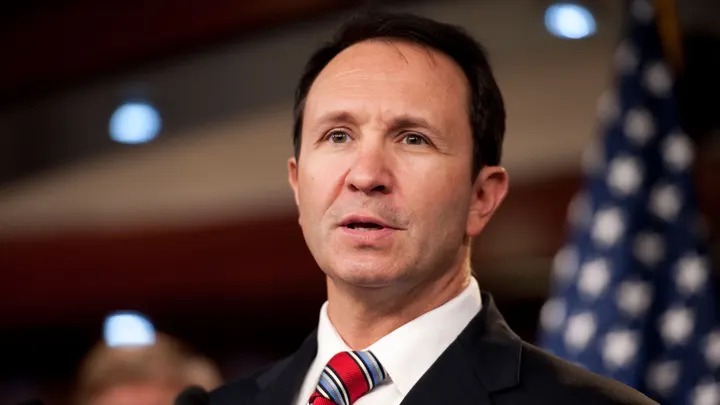
Recently, Louisiana Governor Jeff Landry, a Republican, has taken a significant step by signing an executive order requiring comprehensive data collection on the activities of illegal immigrants within the state. As reported by Fox News on Thursday, January 18, 2024, this move signals a proactive effort to address the impact of illegal immigration on various government agencies and public services.
Governor Landry’s executive order directs every executive branch agency to conduct a thorough assessment of the effects of illegal immigration on their respective domains. This includes a meticulous examination of the provision of public services and the expenditure of public funds, both directly and indirectly benefiting illegal aliens.
Elected as the state’s governor on October 14, 2023, Republican Louisiana Attorney General Jeff Landry emphasizes the need for a comprehensive understanding of the challenges posed by illegal immigration to ensure effective governance.
A pivotal aspect of the executive order is the requirement for law enforcement agencies to collect and report data every month. This data will encompass crucial details such as the number of aliens charged or convicted, including information on their citizenship, nationality, and immigration status.
Additionally, the order necessitates the reporting of factors like criminal history, gang affiliation, and the legal status of individuals residing in the country.
The executive order has stirred both support and criticism, reflecting the deeply divided opinions on how to address the complex issue of illegal immigration. Supporters argue that such data collection is essential for safeguarding public safety and understanding the dynamics of criminal activities involving illegal immigrants. They believe that having accurate and detailed information is key to formulating effective policies to address the challenges posed by unlawful immigration.
Conversely, critics raise concerns about potential biases in data collection and the broader implications for immigrant communities. They argue that such measures might exacerbate existing tensions and contribute to the stigmatization of certain groups. Additionally, critics question the necessity of such extensive data collection, expressing worries about the potential misuse of information and invasion of privacy.
Governor Landry’s executive order positions Louisiana at the forefront of states actively addressing the issue of illegal immigration through data-driven initiatives. This aligns with broader discussions in the United States about the need for comprehensive immigration reform and enhanced border security measures.
As the implementation of the executive order unfolds, it is likely to fuel further debates on immigration policies, data privacy, and the delicate balance between security concerns and individual rights. Louisiana’s approach may serve as a model for other states grappling with similar challenges, sparking a broader national conversation on how to navigate the complex terrain of immigration in a manner that aligns with both security and humanitarian principles.