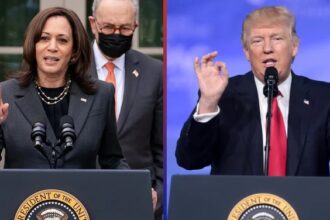
Former President Donald Trump has acknowledged receiving funds from foreign governments, including China, during his presidential term. This revelation surfaced during a Fox News town hall on Wednesday night, where Trump defended himself against accusations outlined in a recent report from Democrats on the House Oversight Committee, according to Newsweek’s report on Thursday, January 11.
The report alleges that Trump accepted payments from several foreign governments, such as China, Saudi Arabia, and Qatar, while in office. Trump’s admission represents a significant development, shedding light on a controversial aspect of his presidency.
Renowned for his business dealings before entering politics, the former president justified receiving money from foreign governments by framing it as payment for services provided by his business during his time in the Oval Office.
The Democrats’ report, released by the House Oversight Committee, accuses Trump of violating the Constitution’s Emoluments Clause, which prohibits federal officeholders from receiving gifts or payments from foreign governments without congressional approval. The report specifically pointed to payments from countries with intricate diplomatic relationships with the United States, raising concerns about potential conflicts of interest.
During the Fox News town hall, Trump defended his actions by emphasizing the nature of the services provided by his business to foreign governments. He asserted that these financial transactions were part of legitimate business dealings and within legal bounds.
However, this admission reignites debates about the ethical and legal considerations surrounding Trump’s financial interactions during his presidency. Critics argue that receiving money from foreign governments could compromise the independence and integrity of the presidency, potentially influencing Trump’s decisions based on his financial interests.
The Democrats’ report highlighted payments not only from China but also from Saudi Arabia and Qatar, raising broader questions about the extent of foreign financial influence on the Trump administration. The report called for a thorough investigation into these allegations, urging a closer examination of potential violations of the Emoluments Clause.
Legal experts note that the Emoluments Clause exists to prevent conflicts of interest and ensure that the actions of federal officeholders are guided solely by the best interests of the United States. Violations of this clause can carry significant legal consequences, signaling a renewed push to scrutinize Trump’s financial dealings during his time in office.
Trump’s acknowledgment of receiving money from foreign governments, particularly China, adds complexity to the ongoing legal challenges he faces post-presidency. Investigations into his business practices and financial transactions have been a focal point for various prosecutors and lawmakers.
As news of Trump’s admission reverberates through the political landscape, it raises questions about accountability and transparency in presidential conduct. The Emoluments Clause serves as a safeguard against potential abuses of power, and the revelation of foreign payments adds fuel to debates about the need for comprehensive oversight of presidential finances.