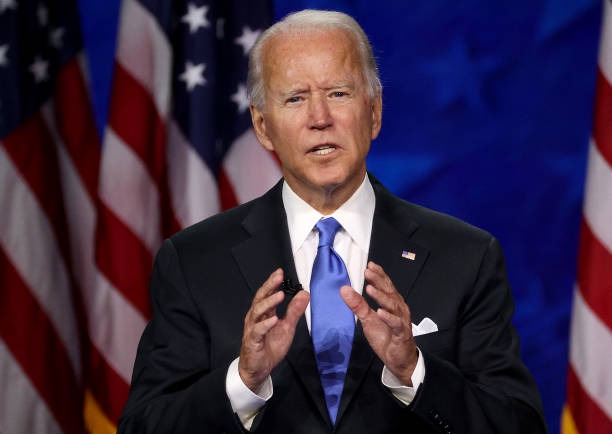
A formidable coalition of automotive industry leaders, including General Motors, Toyota Motor, Volkswagen, and other major players, has vehemently criticized the Biden administration’s plan to significantly enhance fuel efficiency mandates.
This clash between the auto sector and the government brings pivotal issues regarding environmental policies, consumer preferences, and the trajectory of transportation into sharp focus.
As reported by Newsmax on October 17, 2023, the Biden administration’s ambitious proposal aims to raise the average fuel efficiency standards for new cars and light trucks to nearly 52 miles per gallon by 2026. This initiative is part of a broader drive to combat climate change and curb greenhouse gas emissions, aligning with the administration’s environmental objectives. Supporters argue these standards are pivotal to mitigate the climate crisis, although opponents, including the influential Alliance for Automotive Innovation, contend that the proposed standards are unattainable and could have dire consequences for both the industry and consumers.
The Alliance for Automotive Innovation, representing a diverse spectrum of automakers, asserts that the proposed fuel efficiency benchmarks are impractical and could exert substantial financial strain on the industry. This, they argue, would translate to higher vehicle prices for consumers, potentially driving some manufacturers out of the market. John Bozzella, President, and CEO of the Alliance for Automotive Innovation, highlighted, “Meeting the current standards would impose significant financial burdens on our industry, leading to increased vehicle costs for consumers and possibly compelling some manufacturers to exit the market.”
Critics of stringent fuel efficiency standards argue that they might limit consumer options and stifle innovation, potentially resulting in smaller, less powerful vehicles, which might not align with the preferences of all consumers. On the opposing side, environmental advocates and climate experts contend that these standards are indispensable in combating the ongoing environmental crisis, emphasizing the crucial role of reducing carbon emissions from the transportation sector.
The Biden administration’s proposal resonates with a global trend toward electric vehicles (EVs) and a more eco-friendly transportation sector. Many automakers have already made substantial investments in electric and hybrid vehicles, recognizing the escalating demand for sustainable transportation alternatives.
While affordability and feasibility remain central concerns for automakers, the shift toward electric vehicles and enhanced fuel efficiency standards is perceived as a potential catalyst for job creation. The transition to cleaner technologies is anticipated to generate new employment opportunities in manufacturing, research, and development.
The debate surrounding fuel efficiency standards underscores critical inquiries about the future of the automotive industry. Striking a balance between the imperative for environmental sustainability and the need for practicality and affordability poses a multifaceted challenge that policymakers and automakers must deftly navigate.