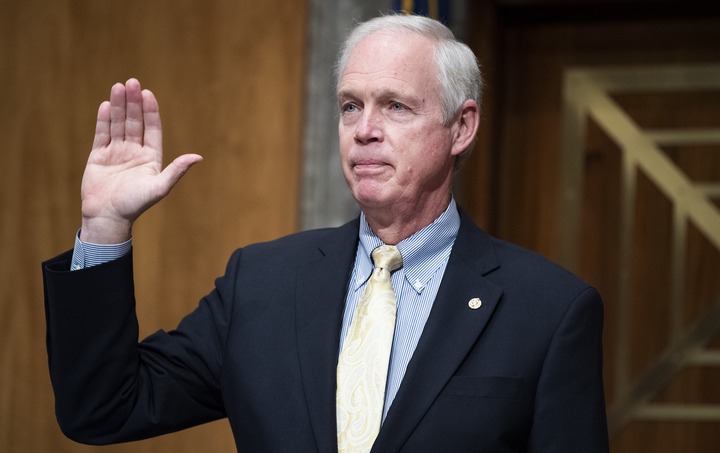
Shockwaves through the international community, all 49 Republican senators, led by Senator Ron Johnson, have urged President Joe Biden to reconsider his support for expanding the World Health Organization’s (WHO) pandemic authority. This development comes just days before the 77th World Health Assembly, raising profound questions about the future of global health governance.
The senators’ letter to President Biden outlines concerns about the WHO’s handling of the COVID-19 crisis, citing mismanagement and politicization as key issues that demand urgent reform. They argue against granting the organization additional powers, emphasizing the need for major reforms instead. Central to their objections is the assertion that expanding the WHO’s authority could potentially infringe upon US sovereignty and constitutional rights.
By framing their concerns in terms of constitutional principles and procedural safeguards, the senators underscore the gravity of the decision facing the Biden administration and its implications for US engagement with international organizations. The timing of their intervention, just before the World Health Assembly, adds urgency to their message, signaling a willingness to challenge the status quo and assert US interests.

This bold stance reflects a broader shift in Republican attitudes towards multilateralism and international cooperation, with growing skepticism about the WHO’s effectiveness and accountability. Allegations of mismanagement and politicization within the organization have fueled doubts about its ability to serve as a reliable steward of global health.
As tensions simmer between the US and WHO, President Biden faces a delicate balancing act in navigating domestic politics and international diplomacy. The senators’ letter will shape the discussion at the World Health Assembly, influencing decisions on the future of the WHO’s pandemic authority.
This intervention represents a pivotal moment in the debate over global health governance, highlighting the complex interplay between national sovereignty, international cooperation, and public health. As the world grapples with the aftermath of the COVID-19 pandemic, policymakers confront the challenge of building a more resilient and effective global health system for the future.