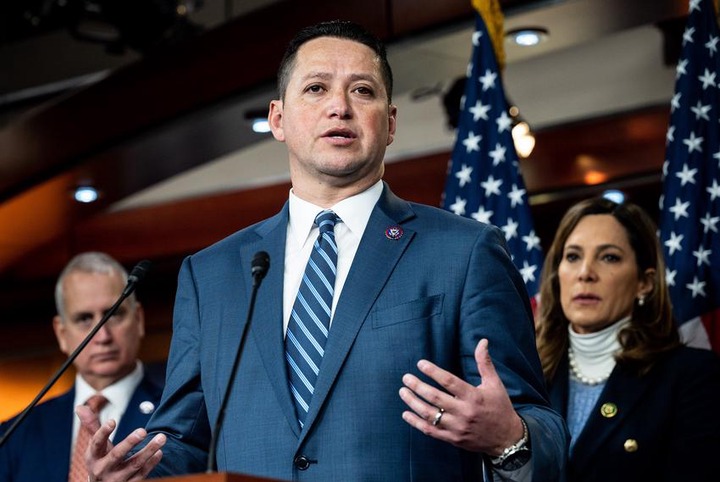
Representative Tony Gonzales (R-Texas) has injected a new challenge into the trajectory of a supplemental aid package, asserting that an enhancement in border security provisions is pivotal for its approval in the GOP-led House, as reported by The Hill on Sunday.
Speaking on CBS’s “Face the Nation,” Gonzales emphasized the formidable hurdles facing additional aid to Ukraine and Israel, indicating the likelihood of intensified demands for stringent border security measures by GOP lawmakers, surpassing those proposed by the Senate and the White House.
“The Senate is going to have its battle getting to 60 votes, the House is going to have its battle getting to 218,” stated Gonzales, adding, “And we can do that. But I think there’s going to have to — we have to sweeten the deal. And part of that is we have to get to the root of the issue.”
Gonzales identified the core issue as designating cartels as terrorist organizations and holding smugglers accountable for causing damage and fatalities. He believes that these measures could secure the necessary 218 votes in the House.
“The root of the issue is labeling cartels as terrorist organizations. And the other piece is holding these smugglers accountable that cause damage and kill Americans. Those are all a couple of things that I believe can help get the house to 218 votes,” he emphasized.
Acknowledging the need for compromise, Gonzales underscored the importance of introducing different elements into the aid package to garner support. He reiterated the significance of labeling cartels as terrorist organizations, considering it a critical step toward achieving the 218 votes needed for passage.
“I’d also say too, if the White House is serious about this, the White House — they shouldn’t be sending a secretary, Secretary Mayorkas to the negotiating table. Where’s the president? Or where’s the vice president? These are some areas that I think could increase the level of getting to a real deal,” Gonzales continued.
The inclusion of these border security demands adds complexity to aid package negotiations, as lawmakers grapple with finding common ground on issues beyond international assistance.
The proposal to label cartels as terrorist organizations introduces a contentious element that may spark debate within the House. Critics argue that linking domestic border security measures with international aid may hinder swift passage of the package, potentially delaying crucial support to Ukraine and Israel.
The push for accountability for smugglers, while appealing to some lawmakers, may face scrutiny over the potential impact on existing immigration policies and practices.
Gonzales’ call for high-profile representation from the White House at the negotiating table raises questions about the administration’s commitment to the proposed aid package. The absence of the president or vice president may, in Gonzales’ view, impede progress toward a comprehensive deal.
As negotiations unfold, the intersection of domestic and international concerns within the aid package highlights the intricate dance required to navigate the diverse priorities of lawmakers.
The fate of the aid bill now hinges not only on international considerations but also on the resolution of contentious domestic issues related to border security.