
Kamala Harris, the current Vice President of the United States, has selected Minnesota Governor Tim Walz as her running mate for the 2024 presidential election, according to multiple sources. This choice represents a strategic move to enhance her campaign with a seasoned political figure known for his progressive values and practical governance.
Governor Tim Walz, who has served as Minnesota’s governor since 2018, brings a wealth of experience to the Harris ticket. His tenure as the 41st governor of Minnesota has been marked by a pragmatic approach to governance, with a focus on healthcare, education, and infrastructure. Walz’s selection is intended to broaden Harris’ appeal, especially in the Midwest—a key battleground region in the upcoming election.
Walz’s background includes a distinguished 24-year career in the U.S. Army National Guard, where he retired as a Master Sergeant. This military experience provides him with a unique perspective on national security and veterans’ affairs, important issues in presidential campaigns. Transitioning from the military to education, Walz worked as a high school geography teacher and football coach. His educational background has shaped his policy priorities, including his advocacy for public education and support for teachers.
Serving as a Congressman for Minnesota’s 1st district from 2007 to 2019, Walz developed a reputation as a bipartisan leader. His legislative achievements include efforts to enhance healthcare access, support rural communities, and champion veterans’ issues. His record of working across party lines aligns with Harris’ vision for a united and forward-thinking America.
As governor, Walz has faced significant challenges, including the COVID-19 pandemic and civil unrest following the murder of George Floyd. His leadership during these crises has been characterized by a focus on public health, equity, and justice. Walz’s administration implemented science-based pandemic responses and launched initiatives aimed at addressing systemic racism and promoting police reform.
Harris’ choice of Walz underscores her commitment to a progressive agenda that addresses the needs of all Americans. Walz’s achievements in healthcare, education, and social justice complement Harris’ own policy priorities. Together, they present a unified front appealing to a diverse electorate, from urban centers to rural communities.
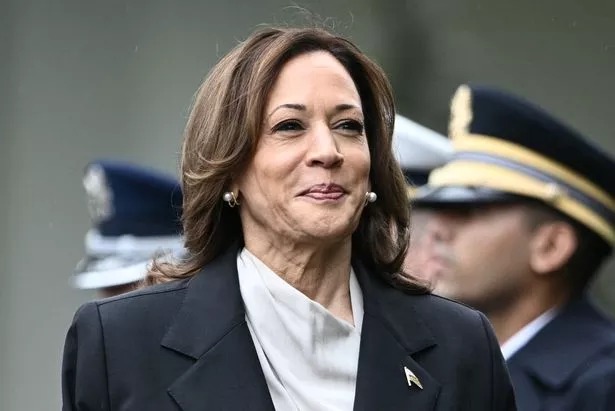
The selection also reflects a strategic effort to strengthen Harris’ campaign in critical battleground states. Minnesota, traditionally a Democratic stronghold, has seen competitive races in recent elections. Walz’s popularity and success in Minnesota could be pivotal in securing crucial votes in the Midwest.
The announcement of Tim Walz as Harris’ vice-presidential candidate has sparked mixed reactions. Supporters praise the choice for its blend of experience, pragmatism, and progressive values, arguing that Walz’s presence will attract moderate and independent voters while energizing the Democratic base. Critics, however, question whether Walz’s relatively low national profile will resonate with voters across the country and suggest that the campaign will need to address any negative perceptions of Harris’ vice-presidential tenure.
As the campaign progresses, the Harris-Walz ticket will likely emphasize key issues such as economic recovery, healthcare reform, climate change, and social justice. Both candidates have highlighted the need to rebuild trust in government and unite the country after years of political division. Their combined experience and dedication to public service aim to inspire confidence and hope among voters.
In the coming months, the Harris-Walz campaign will embark on a nationwide tour to introduce Walz to voters and showcase their shared vision for America’s future. With Tim Walz on the ticket, Kamala Harris aims to forge a coalition that transcends political divides and guides the nation toward a more equitable and prosperous future.