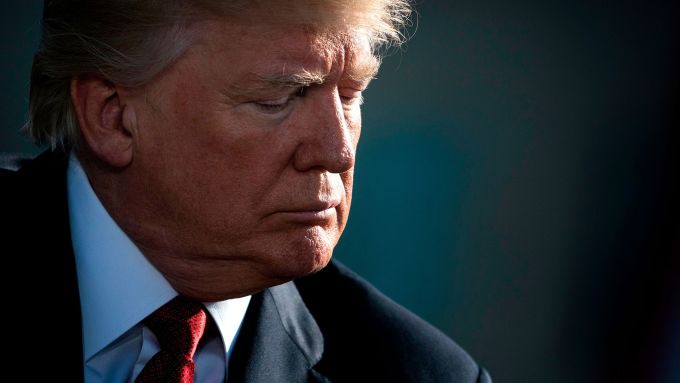
Former President Donald Trump’s recent move to disavow Project 2025, a controversial campaign platform crafted by his former aides, has ignited widespread backlash and controversy.
Trump took to social media to claim ignorance about Project 2025, a proposal reportedly designed by several of his former advisors. This platform outlines sweeping policy changes on immigration, trade, and foreign policy, aligning with the more hardline elements of Trump’s previous campaign promises.
The disavowal came as a surprise to many, prompting immediate and fierce criticism from both supporters and detractors alike. Critics argue that Trump’s attempt to distance himself from a platform he previously endorsed is seen as evasive and untrustworthy.
Prominent voices within Trump’s base expressed frustration, with one conservative commentator labeling the move as “desperate and lying.” Meanwhile, President Joe Biden’s reelection campaign seized on the opportunity to criticize Trump, accusing him of abandoning his own policies and misleading the public.
Social media platforms erupted with hashtags like #TrumpLies and #Project2025, reflecting widespread disappointment and disbelief among Trump’s supporters. Many expressed feeling betrayed by Trump’s sudden reversal on a platform they had supported.
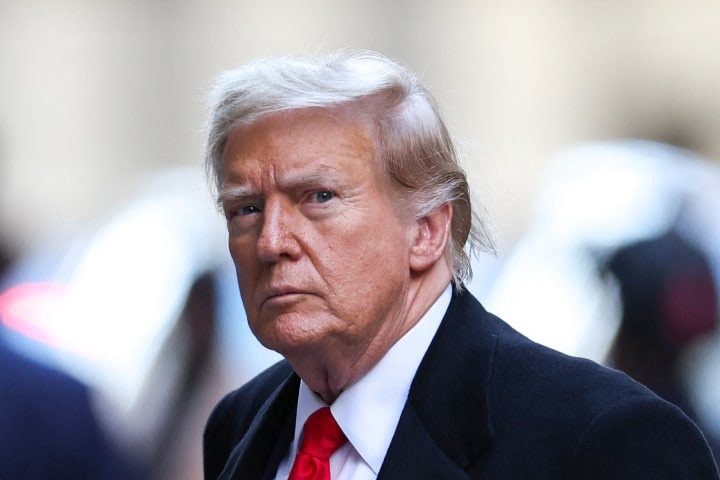
However, defenders of Trump’s decision argued that distancing himself from Project 2025 was a strategic move. They suggested that Trump, known for his business acumen, recognized the platform’s growing unpopularity and chose to pivot accordingly.
The controversy underscores deep divisions within the Republican Party as it prepares for the 2024 election. With Trump’s continued influence, his actions and statements remain pivotal in shaping the party’s trajectory and unity.
Whether Trump’s disavowal strengthens or weakens his hold on the GOP remains uncertain. Nevertheless, the fallout from this episode is expected to resonate for some time, raising significant questions about Trump’s leadership and accountability.