


Significant blow to the Democratic leadership in Michigan, a recent ruling by Judge Christopher Yates has declared Secretary of State Jocelyn Benson’s Election Manual unconstitutional and in violation of state law. This ruling challenges Benson’s guidelines, particularly focusing on stricter signature verification procedures for mail-in ballots.
The ruling, announced on Thursday, June 13, 2024, by George Behizy, underscores the legal clash between Benson’s guidance and the Michigan Constitution alongside state laws. The controversial manual had introduced an “initial presumption” of signature validity for absentee-ballot applications and envelopes, a move deemed unlawful by the court.
The court emphasized the necessity of stringent signature verification protocols for absentee ballots, highlighting their crucial role in ensuring the integrity of the election process. This shift could potentially complicate Democratic efforts in efficiently managing mail-in voting.
This development in Michigan reflects broader national debates concerning election integrity and the verification methods for mail-in ballots. Advocates for stricter verification argue that it’s essential to prevent fraud and safeguard legitimate votes. On the other hand, opponents express concerns about potential disenfranchisement, especially among voters reliant on mail-in ballots due to various reasons like disability or logistical challenges.
Judge Yates’ ruling against the “presumption of validity” stated in the December 2023 guidance aligns with criticisms that such measures undermine the constitutional framework and state laws, potentially allowing insufficiently verified ballots to be counted.
Moving forward, this ruling is poised to alter administrative procedures in Michigan’s upcoming elections, necessitating more rigorous standards in signature verification for absentee ballots. While aiming to enhance the reliability of mail-in voting, it also raises concerns about increased ballot rejection rates.
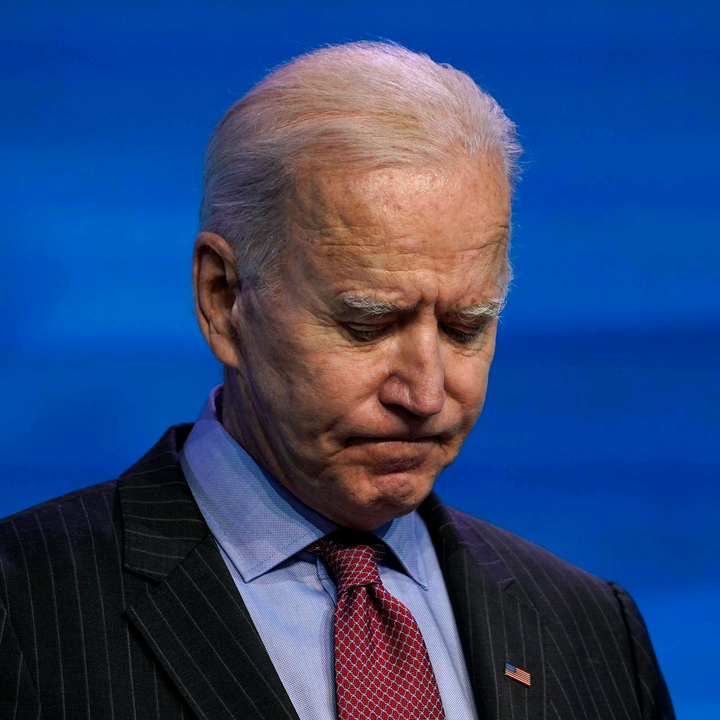
Secretary of State Jocelyn Benson and other Democratic leaders in Michigan have been under scrutiny for their handling of election procedures. This legal setback adds to their challenges in maintaining voter confidence and ensuring fair electoral processes. It also sets a precedent that might lead to similar legal challenges in other states, indicating a growing judicial scrutiny of election regulations nationwide.
As election integrity remains a contentious issue, this ruling emphasizes the delicate balance between security measures and voter accessibility. Implementing strict signature verification processes will require careful planning and allocation of resources to prevent undue disenfranchisement while upholding the integrity of the election.
In conclusion, the Michigan court’s decision against Secretary of State Jocelyn Benson’s Election Manual marks a significant turning point in the state’s election administration. With its mandate for stricter verification in mail-in ballots, it will shape future election protocols and potentially influence similar legal battles across the country.


