


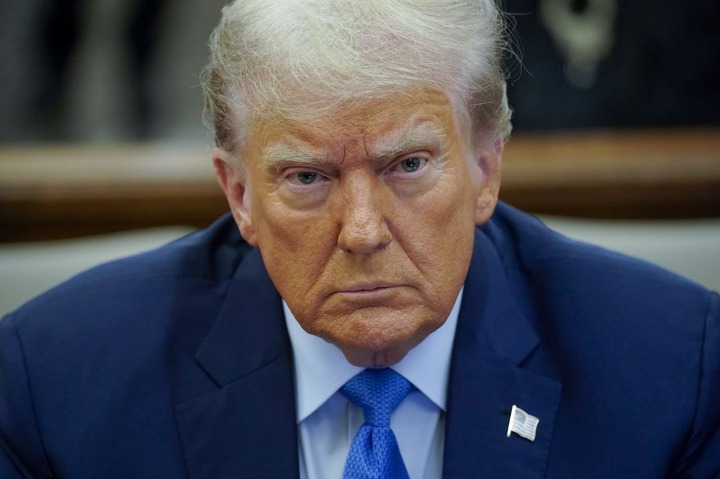
In the face of global turmoil, concerns about Donald Trump’s suitability as a leader during times of crisis have intensified. His firm belief in his ability to single-handedly solve complex issues, epitomized by his slogan “Only I can fix it,” has raised alarms among experts and the public alike. This simplistic, black-and-white approach to international affairs poses a significant risk, not only domestically but also on a global scale. Trump’s audacious claims, such as his promise to swiftly end the war in Ukraine, are viewed with skepticism, as they could potentially grant undue influence to leaders like his idol, Vladimir Putin.
The intricacies of the ongoing situation in the Middle East further highlight the challenges posed by Trump’s leadership style. The region’s complexities and volatility demand nuanced understanding, yet Trump’s rigid perspective lacks the necessary depth to navigate these intricate matters. In the Middle East, there are no clear-cut solutions; the issues at hand are multifaceted, with both sides presenting valid arguments. The path to resolution necessitates delicate compromises and diplomatic finesse, elements that Trump’s approach sorely lacks.
Furthermore, recent events have spotlighted Trump’s questionable ability to handle his own business affairs, as evidenced by his involvement in an ongoing fraud trial. These concerns only serve to underscore the skepticism surrounding his qualifications for the highest office. Critics argue that his inability to manage personal business matters raises serious doubts about his competence to lead a nation.
In light of these factors, many experts and observers contend that Donald Trump was never adequately qualified for the role of president. As the world grapples with complex challenges, the need for astute, nuanced leadership has never been more pressing, emphasizing the importance of leaders possessing the intellectual capacity and diplomatic acumen to navigate intricate global issues.


