

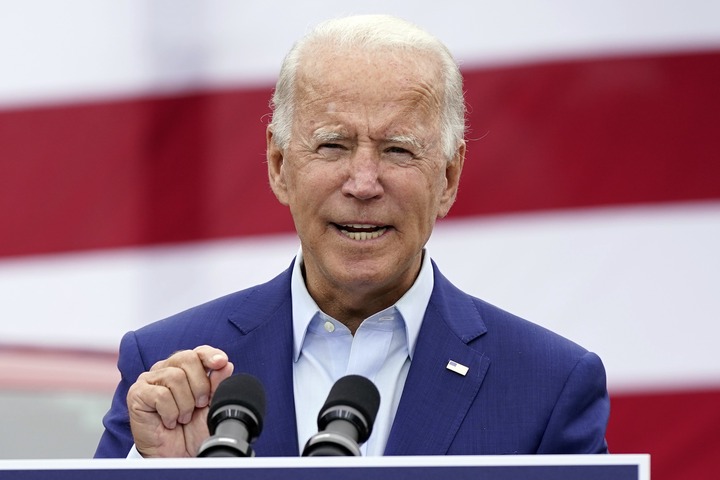
President Biden has openly articulated his economic philosophy, highlighting a distinct departure from his predecessor’s approach. In a recent statement, he underscored this contrast, stating, “My predecessor, though, he chose a different course – trickle-down economics: cut taxes for the very wealthy and big corporations, increasing the deficit significantly.”
Trickle-down economics, also referred to as supply-side economics, has been a debated economic theory for decades. The theory posits that by reducing taxes on the affluent and corporations, benefits will eventually “trickle down” to the broader population through heightened investment, job creation, and economic growth. Critics contend that this strategy disproportionately favors the wealthy, exacerbating income inequality.
President Biden’s critique signals a shift from this strategy. Instead, his administration appears to prioritize a more direct approach to economic relief and recovery, with a focus on middle and lower-income households.
A central criticism of trickle-down economics is the belief that tax cuts for the rich and corporations lead to substantial economic growth. However, historical evidence reveals mixed results. While proponents argue that such policies spur investment and job creation, opponents note their tendency to result in budget deficits and inadequately address income disparities.
President Biden’s emphasis on an alternative path underscores a commitment to tackling income inequality more directly. By directing relief measures toward lower and middle-income families, the administration aims to stimulate economic activity from the bottom up, fostering a more inclusive recovery.
The mention of increasing the deficit is pivotal in this discussion. Trickle-down economics often relies on the assumption that tax cuts will self-fund through heightened economic activity. However, reality has often diverged, leading to elevated deficits and national debt. President Biden’s comment reflects concern about the fiscal responsibility of such policies, signaling a desire for a more sustainable economic trajectory.
The contrast between the two approaches reflects broader debates on the government’s role in shaping economic policy. While some advocate for minimal government intervention, relying on market forces for growth, others argue for a more active role in addressing societal challenges, including income inequality.
In the coming years, the efficacy of President Biden’s economic strategy will become increasingly apparent. The success or failure of his approach will likely influence future policy decisions, shaping ongoing discussions on the most effective means of promoting economic growth and equity.
President Biden’s rejection of trickle-down economics signifies a shift in economic philosophy. The emphasis on directly addressing income inequality and the concern about increasing the deficit mark a departure from his predecessor’s policies. As the administration implements its economic agenda, the outcomes will be closely monitored, providing insights into the effectiveness of different economic approaches in fostering a robust and equitable recovery.


