

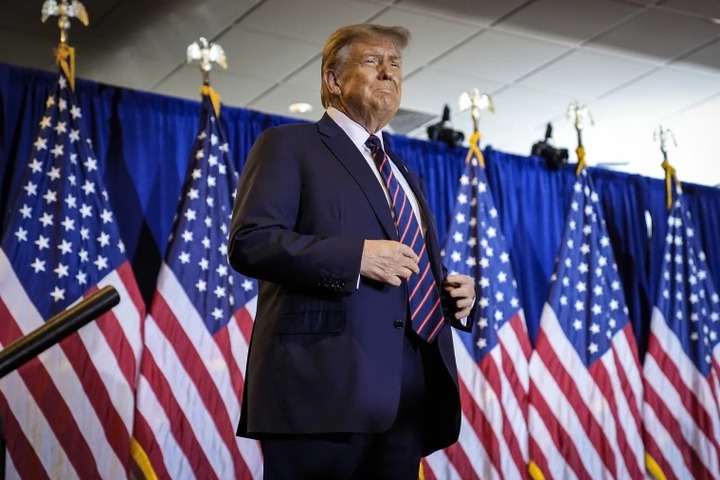
Internal tensions within the GOP escalated on Thursday over an immigration deal that could reshape policies, leading to clashes among lawmakers. The looming influence of former President Donald Trump played a significant role, with some Republicans hesitant to defy him while others criticized what they perceived as a politically motivated stance.
Senator Mitt Romney, known for his criticism of Trump within the party, expressed dismay at the former president’s interference, accusing him of playing games. According to NBC News on Friday, January 26, Romney claimed that Trump had been communicating with colleagues, urging them to obstruct the process to create a campaign weapon against him ahead of the November election.
The Utah senator emphasized the human cost of the border situation, stating, “The fact that he would communicate to Republican senators and Congress people that he doesn’t want us to solve the border problem — because he wants to blame Biden for it — is really appalling.”
Senator Thom Tillis urged his colleagues not to prioritize politics over sound policy, stating, “I didn’t come here to have the president as a boss or a candidate as a boss. I came here to pass good, solid policy.”
Internal strife heightened after Senate Minority Leader Mitch McConnell outlined the political challenges tied to the immigration deal, citing Trump’s opposition. While some senators insisted on rejecting the deal, arguing it falls short on securing the border effectively, others defended the bipartisan effort.
Senator Ron Johnson demanded negotiations that genuinely address border security concerns without loopholes. In a press conference featuring Johnson and fellow GOP senators, including Ted Cruz, the deal was criticized as “utterly ineffective.” Cruz’s Democratic opponent, Rep. Colin Allred, accused him of prioritizing partisan politics over finding solutions, reflecting the broader partisan divide on the issue.
Democratic negotiator Sen. Chris Murphy highlighted the challenge, stating, “They are making a decision in the next 24 to 48 hours as to whether they want to solve the problem at the border or whether they just want to keep it live as a political issue.”
The fate of the deal holds significant implications for Senator Kyrsten Sinema, a key negotiator and potential candidate in a tight race. Sinema’s decision to support or reject the deal could influence her reelection prospects in a border state. Despite Democrats holding a slim Senate majority, reaching the necessary 60 votes to overcome a filibuster poses a challenge.
As tensions flared, Senator Jon Tester dismissed GOP opposition as “bull-loney,” emphasizing the urgency of securing the border. However, Senator Rick Scott added complexity, highlighting that many Republicans are uninformed about the deal’s details. Senate Majority Leader Chuck Schumer remained committed to the deal, promising continued negotiations over the weekend. The outcome remains uncertain, with the prospect of a bipartisan agreement overshadowed by internal party strife, reflecting broader challenges in finding common ground on immigration reform.


