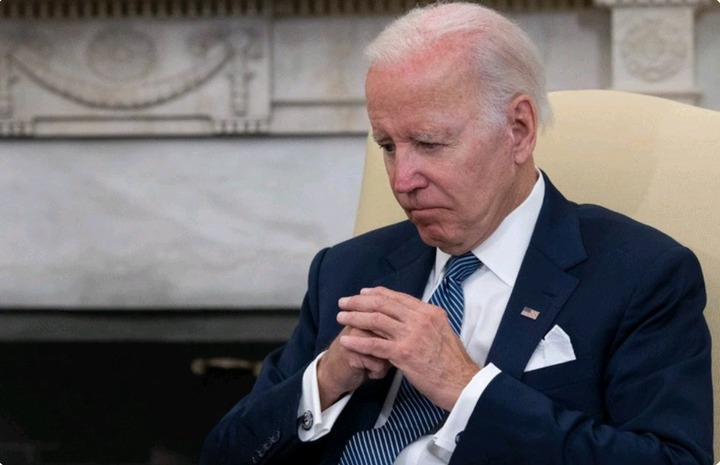
Aftermath of President Joe Biden’s widely criticized debate performance, a curtain of silence has enveloped his closest advisors, sparking intense scrutiny and conjecture about the inner workings of the White House.
The debate, marked by Biden’s struggling voice and perceived lack of vigor, drew sharp criticism from media personalities and political analysts alike. Key figures in Biden’s inner circle, including Ron Klain, Jeff Zients, Anita Dunn, Jake Sullivan, and Steven Richetti, notably refrained from addressing the fallout, despite their pivotal role in preparing Biden for the event during a week-long session at Camp David.
Former President Barack Obama, while acknowledging Biden’s subpar performance, sought to bolster support for his former vice president. Obama highlighted the critical choice facing voters in the upcoming election, contrasting Biden’s integrity with allegations of self-interest against his opponent.
However, internal dissent within the Democratic Party has deepened. James Carville, a prominent strategist, delivered a scathing assessment of Biden’s campaign, characterizing his advisors not as counselors but as mere employees. Meanwhile, vulnerable Democrats in crucial Senate and House races across the nation have chosen to remain silent, underscoring the party’s apprehension regarding Biden’s candidacy.
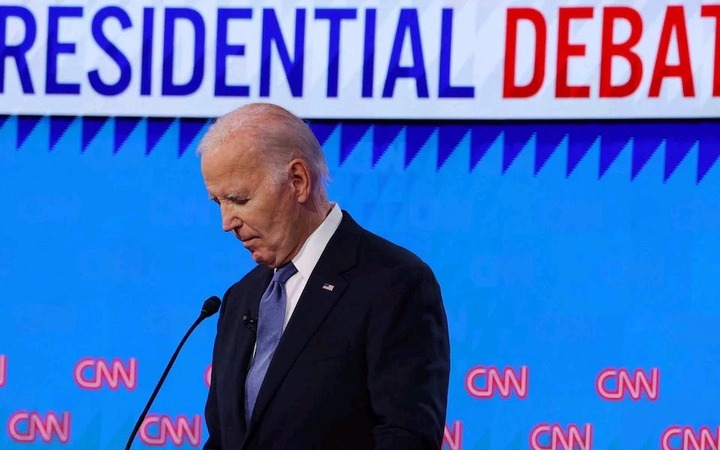
The absence of a cohesive response from Biden’s inner circle and fellow Democrats has allowed speculation and criticism to flourish unchecked. Questions have arisen regarding the effectiveness of Biden’s debate preparation, with some critics arguing that a strategy heavy on facts and figures exacerbated Biden’s communication challenges and contributed to his stumbles.
Such missteps have raised concerns about the judgment of those closest to the president and their ability to manage his public appearances effectively. The fallout from the debate has exposed deep-seated anxieties about decision-making within the Biden administration, highlighting a potential disconnect between the president and his advisors.
Moreover, the episode has reignited discussions about the Democratic Party’s contingency plans. With doubts lingering about Biden’s ability to secure another term, calls for a thorough evaluation of alternative candidates have grown louder. However, the absence of a clear successor and the complexities involved in replacing a sitting president have left the party grappling with formidable challenges.
Vice President Kamala Harris, often viewed as a natural successor, faces her own hurdles with persistently low approval ratings, further complicating the succession scenario. The silence from Biden’s inner circle is seen by some as an acknowledgment of the gravity of the situation, while others interpret it as a strategic move to redirect attention from the fallout of the debate.
As the election cycle advances, the unresolved questions and lingering doubts surrounding Biden’s candidacy and the decision-making processes of his administration are poised to shape the narrative leading up to November. Against the backdrop of critical Senate and House races, the Democratic Party finds itself navigating turbulent waters, unsure of the optimal path forward amidst a landscape fraught with challenges and uncertainties.