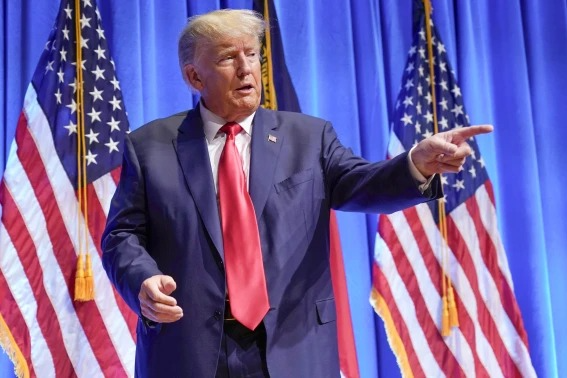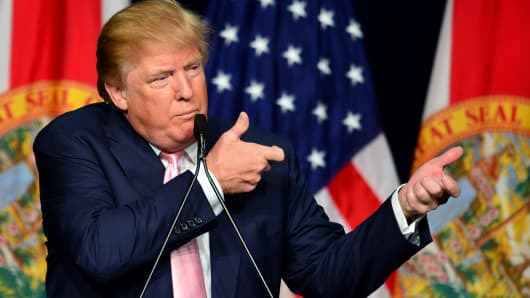
The FBI has swiftly initiated an investigation following reported threats directed at Colorado Supreme Court justices subsequent to their decision to disqualify Donald Trump from the state’s 2024 presidential ballot.
The involvement of the FBI underscores the escalated tensions surrounding Trump’s disqualification, as alleged threats of violence have emerged against the justices.
Confirming the Bureau’s commitment to probing any threats or violent actions tied to extremist ideologies, the FBI’s Public Affairs Officer, Vikki Migoya, emphasized their dedicated stance regardless of motivation, as reported by Conservative Brief on Tuesday, December 26.
The four Colorado justices have reportedly faced threats subsequent to their ruling to disqualify Trump, citing his purported involvement in the Capitol insurrection on January 6, 2021.
Despite Trump not facing any legal charges or convictions related to the insurrection, scholars argue that the 14th Amendment’s ‘insurrection’ clause was rendered effectively inert over a century ago.
Efforts by the FBI in collaboration with local law enforcement are actively addressing the perceived risks posed to the justices.
An analysis by CNN unveiled that the justices’ names were prominently featured in “incendiary” posts on extremist online platforms, accompanied by calls to disclose their personal information.
Although the analysis didn’t identify specific threats, it acknowledged a lingering risk of potential lone actor or small group violence in response to the judicial ruling.
The online sphere reflects heightened emotions surrounding the case, exemplified by a menacing statement posted on a far-right, pro-Trump website, stating, “All f— robed rats must f— hang,” targeting the Colorado justices.
Adding complexity to the unfolding narrative, former federal prosecutor Ty Cobb anticipates a swift and unanimous reversal of the Colorado Supreme Court’s decision by the U.S. Supreme Court.
Cobb, recognized for defending the Trump administration during the Mueller investigation, believes that notwithstanding the fallout within the GOP stemming from Trump’s actions contesting the 2020 election, the Supreme Court will likely favor Trump in a 9-0 decision.
Cobb’s analysis revolves around interpreting Trump’s status as an “officer of the United States” under Article 3 of the 14th Amendment, drawing parallels to Chief Justice Roberts’ explanation in Free Enterprise from 2010, emphasizing that individuals do not vote for officers of the United States within the context of Article 2.
Amidst the unfolding legal and political spectacle, the FBI’s involvement brings attention to the broader implications of the case, transcending legal debates into concerns regarding potential security threats against judges.
As the legal battle continues, it underscores the convergence of constitutional interpretation, political polarization, and the security challenges faced by key stakeholders involved in pivotal judicial decisions, capturing the nation’s attention.