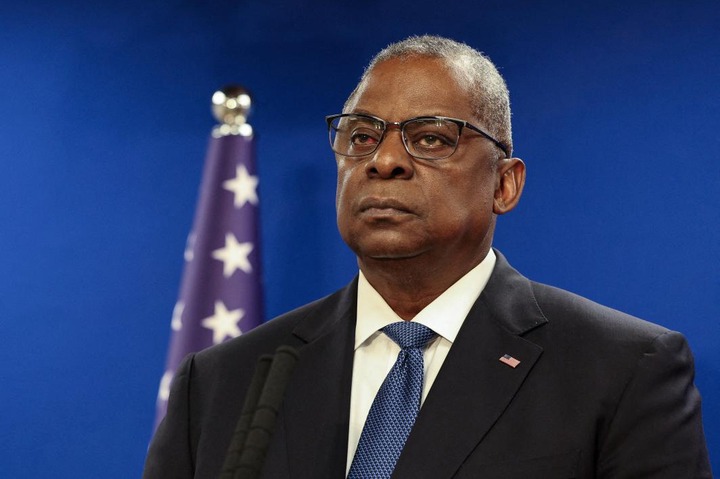
Defense Secretary Lloyd Austin’s recent hospitalization has ignited concerns about transparency within the Biden administration, shedding light on a series of events that have left both the public and lawmakers perplexed.
On New Year’s Day, the 70-year-old Austin was admitted to Walter Reed Army Medical Center due to complications arising from elective surgery, a fact initially undisclosed to President Biden and Deputy Secretary Kathleen Hicks. The surprising lack of immediate communication to the administration’s top brass has prompted questions regarding the effectiveness of communication protocols.
Deputy Secretary Hicks, stepping into Austin’s role during his incapacitation, discovered the hospitalization while on vacation in Puerto Rico, a full day before the news was made public. The delayed notification to President Biden and his deputy has raised eyebrows and drawn attention to a potential breakdown in communication within the administration.
The Pentagon, responsible for handling such critical notifications, acknowledged a lapse in its procedures, attributing the delay to the chief of staff’s absence due to flu. This revelation compounded concerns, as it wasn’t the first time Austin’s hospitalization had gone unnoticed by the White House – his overnight stay at Walter Reed following an initial surgery on December 22 was also not relayed to President Biden.
The lack of transparency surrounding Austin’s health, especially given his pivotal role as Defense Secretary, has become a contentious issue. Lawmakers from both sides of the aisle, including House Armed Services Committee Chairman Mike Rogers and ranking member Adam Smith, have voiced their concerns and demanded more information.
Questions abound about the medical procedure, complications, Austin’s current health status, and the delegation of his responsibilities during his absence. This situation has not only attracted political scrutiny but has also prompted calls for Austin’s removal from office, with former President Donald Trump and some Republicans citing alleged professional misconduct and dereliction of duty.
Critics argue that the delayed notification violates the Pentagon’s own “Principles of Information,” emphasizing the timely and accurate release of information to the public, Congress, and the news media. The Pentagon press corps has criticized the lack of transparency, asserting the public’s right to know when a Cabinet member, particularly the top defense leader, is hospitalized or faces medical complications.
As the nation grapples with escalating threats and plays critical roles in international conflicts, transparency regarding the health and decision-making ability of top defense leaders becomes paramount. Lawmakers and the public are demanding Secretary Austin provide additional details about his health and the decision-making process surrounding the events of the past week.
President Biden, expressing his focus on Austin’s health and recovery, has signaled his intent to retain Austin in the role. Nevertheless, the incident has spurred a commitment to review and potentially modify processes and procedures to prevent similar communication breakdowns in the future. The aftermath of this event may lead to a reevaluation of notification protocols within the administration, ensuring a more transparent and accountable approach to handling such situations in the interest of national security and public awareness.