

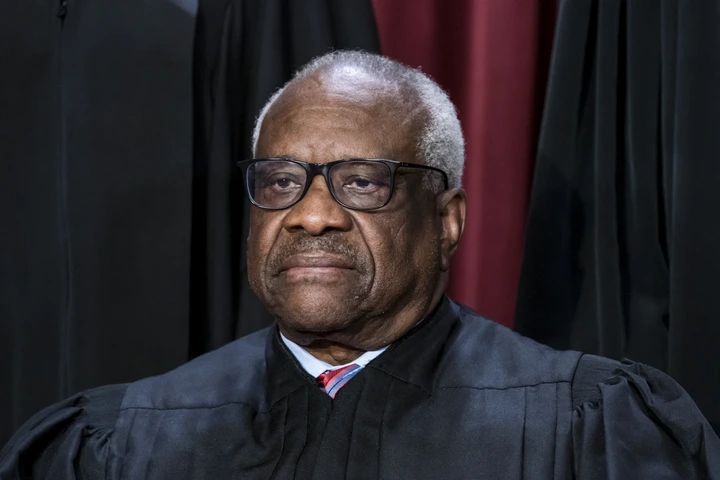
The Supreme Court of the United States (SCOTUS) has declined to intervene in a dispute over a Republican-drawn commissioners map in Galveston County, Texas. Despite objections from liberals who sought to challenge the map under the Voting Rights Act, the decision allows the county to use the Republican-drawn map in upcoming local elections.
The case centered around the potential implications of the map on voting rights, with liberals arguing that it could disproportionately impact certain communities and dilute the voting power of minorities. Three liberal justices dissented from the majority decision, highlighting a division within the Supreme Court regarding the interpretation and application of the Voting Rights Act.

The decision not to intervene does not necessarily imply agreement with the merits of the Republican-drawn map but signals the court’s reluctance to involve itself in state-level disputes over redistricting unless there is a clear violation of constitutional or legal principles. This aligns with the court’s historical stance on allowing states substantial latitude in managing their electoral processes.
The implications of this decision raise questions about the future trajectory of voting rights litigation and highlight the delicate balance the court must strike between federal oversight and state autonomy in managing electoral processes.


