In a bid to prevent a government shutdown, the House of Representatives voted resoundingly on Tuesday, endorsing a proposal by the newly appointed Republican Speaker, Mike Johnson. This move comes as a response to internal dissent within the GOP, compelling Speaker Johnson to collaborate with Democrats for crucial support, mirroring the circumstances that led to his predecessor’s downfall just weeks ago.
Johnson’s initiative, which secured a bipartisan vote of 336-95, saw 93 Republicans opposing it. This marked the first instance where Speaker Johnson had to push essential legislation through the House, showcasing his willingness to cooperate across party lines, a strategy that contributed to the ousting of former Speaker Kevin McCarthy.
The Louisiana Republican’s plan extends temporary funding for some federal agencies until January 19 and others until February 2, a two-part approach criticized by some as unconventional. The Continuing Resolution (CR) lacks the deep cuts demanded by conservatives throughout the year and excludes President Joe Biden’s request for nearly $106 billion in supplemental funds.
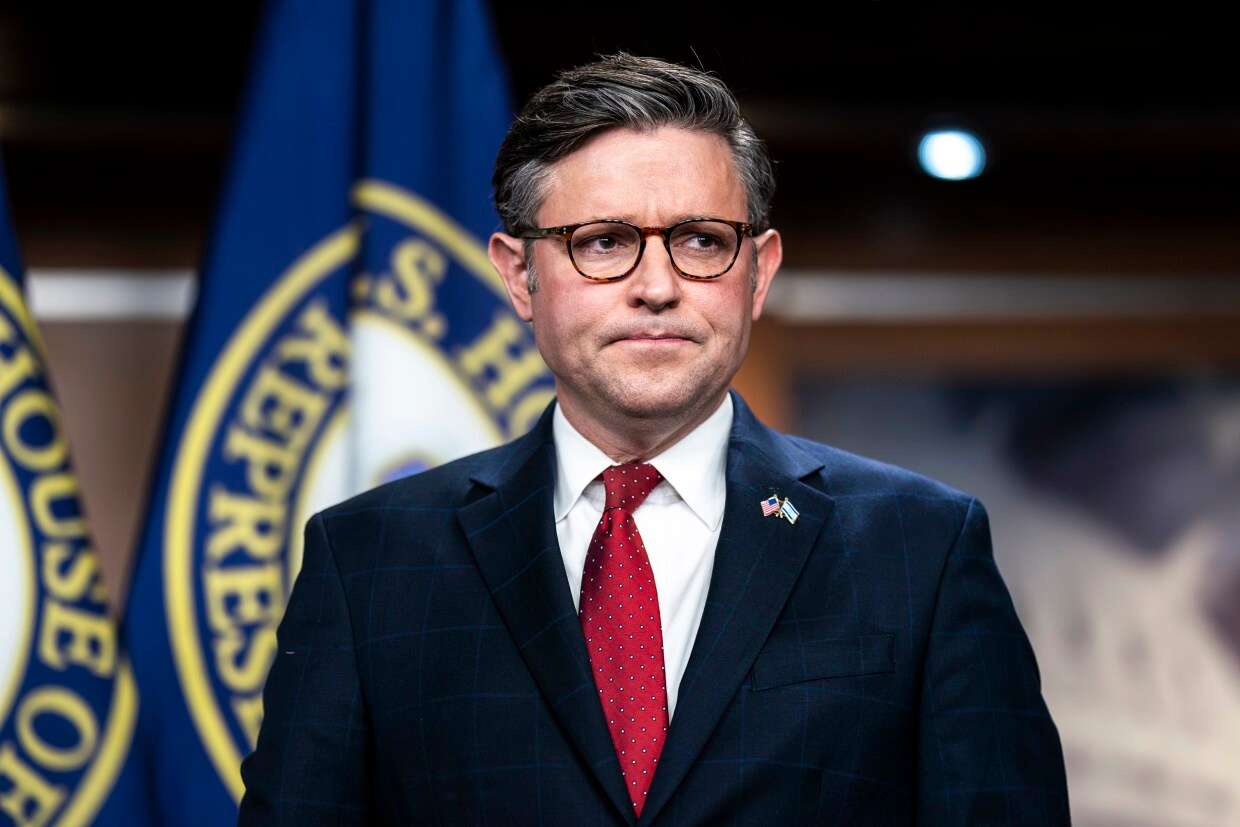
At a Capitol news conference earlier on Tuesday, Johnson emphasized the importance of ensuring the government’s continued operation, stating, “We owe that to the American people.”
Facing resistance from hardline GOP members who demanded budget cuts, Johnson’s reliance on Democrats for passage underscores the challenges of navigating internal divisions within the Republican party. Johnson justified his approach as positioning House Republicans for a stronger stance on spending cuts in the coming year.
Representative Chip Roy, a Texas Republican aligned with the House Freedom Caucus, expressed dissatisfaction with the funding bill, labeling it as “crap” and threatening to impede House proceedings if appropriations bills aren’t passed within deadlines.
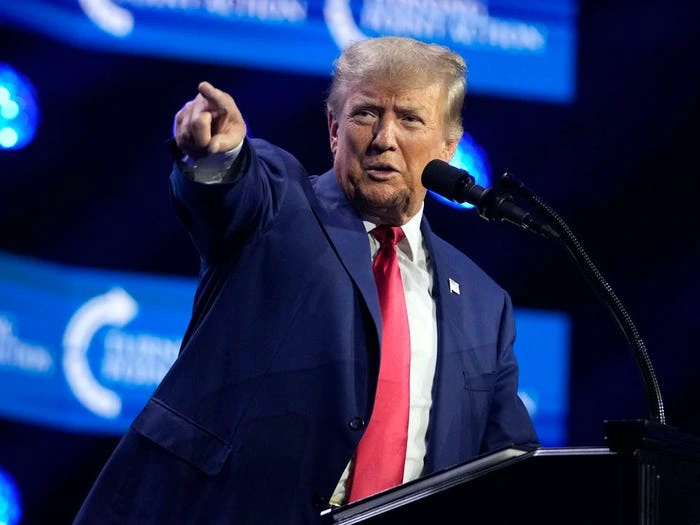
In response to criticisms, Johnson, who recently endorsed Donald Trump for the Republican presidential nomination, affirmed that while they are not surrendering, strategic choices must be made to secure victories.
The Senate is anticipated to approve Johnson’s proposal by the week’s end, setting the stage for a final confrontation over government funding in the new year. Senate Republican leader Mitch McConnell acknowledged the House package as a solution, expressing optimism about bipartisan support in Congress to avert a government shutdown.
However, lingering issues persist, particularly regarding Biden’s request for military aid to Ukraine and Israel. The Senate is actively working on a separate package to address these concerns, acknowledging that additional legislative work is required.
The passage of the continuing resolution, if approved, would mark a less-than-triumphant conclusion to the House GOP’s first year in the majority. Despite efforts to cut federal government spending, internal discord within the party has hindered the realization of conservative priorities. The legislation also extends farm bill programs through September, a crucial win for farm-state lawmakers.
As the government approaches potential automatic 1% cuts across all departments in the new year, the coming months will be critical for lawmakers to reach consensus on budget terms and pass appropriation bills to avoid disruptions to essential services.