

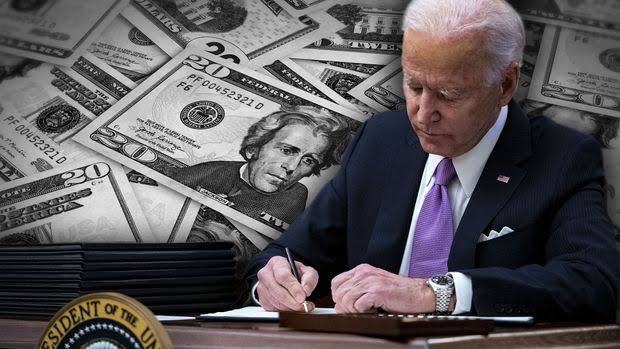
President Joe Biden has revealed a comprehensive plan that earmarks nearly $50 billion for climate conservation and combating the effects of global warming. Described as Biden’s personal passion and pet project, the allocation signifies a significant commitment to tackling the climate crisis, as reported by The Washington Post on Friday, December 22.
The fiscal year 2023 budget proposed by the President represents a historic leap, allocating a staggering $44.9 billion—a remarkable 60 percent increase compared to previous years. This financial commitment underscores the administration’s dedication not only to confront the risks associated with climate change but also to foster innovation, resilience, and environmental justice.
A predominant focus of the budget is directed towards advancing clean energy initiatives, with an impressive $15 billion set aside for innovation and deployment. The objective is to position the United States as a global leader by leveraging innovative technologies that accelerate the transition to a clean energy economy.
Of this substantial investment, more than $7 billion is specifically designated for reducing greenhouse gas emissions in the power sector. Additionally, over $3 billion is allocated to target emissions reduction in the transportation sector, recognizing the pivotal role these sectors play in the broader environmental landscape.

The Department of Transportation is poised to receive over $5 billion in mandatory funding to enhance efforts in transitioning to a clean transportation sector. This financial injection is expected to drive advancements in sustainable transportation, marking a significant stride towards a more eco-friendly future.
The budget places a strong emphasis on climate resilience and adaptation efforts, allocating over $18 billion to strengthen initiatives across the Federal Government. This substantial funding underscores the administration’s commitment to shielding communities from the tangible impacts of climate change.
A strategic approach is evident in the allocation, with more than $5 billion earmarked for the Justice40 Initiative. This initiative ensures that 40 percent of the benefits from climate and clean energy funding are specifically directed towards addressing the disproportionate impacts experienced by disadvantaged communities.

The anticipated benefits of these investments extend beyond reducing greenhouse gas emissions. The budget aims to drive down clean energy prices, fortify the nation’s resilience against climate-related disasters, and create opportunities for American innovation and well-paying jobs.
Additionally, the administration envisions positive outcomes for historically underserved communities, actively working towards rectifying environmental injustices through the budget’s proposals.
Crucially, the budget aligns with the findings of newly released budget analyses, identifying long-term fiscal risks associated with climate change. By allocating significant resources to confront these challenges, the administration aims to not only mitigate environmental risks but also position the nation for a sustainable and economically sound future.


