For decades, trade tariffs have been painted as economic suicide, a relic of past mistakes that should never be repeated. Ever since Herbert Hoover and the Great Depression, mainstream economists and globalist think tanks have worked overtime to demonize tariffs. But what if everything you’ve been told about tariffs is a lie?
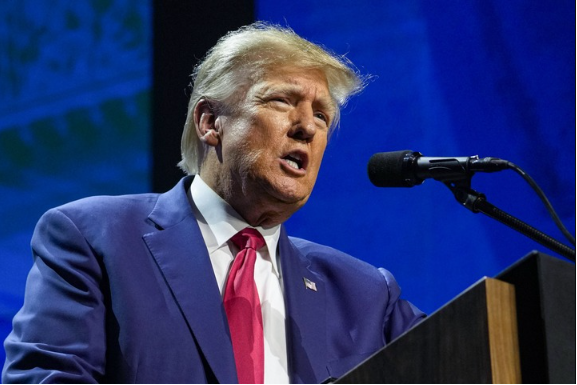
Despite opposition from free-market economists and globalists alike, Donald Trump’s aggressive tariff strategy could be a necessary weapon in the battle against unchecked globalism. Tariffs aren’t just taxes on imports—they are a direct strike against multinational corporations that exploit the system for profit while hollowing out American industry. The real question isn’t whether tariffs work, but whether the U.S. is prepared for the cost of economic war.
The Free Market Illusion: Why Globalism Isn’t What You Think
Adam Smith and Ludwig von Mises, champions of free markets, never envisioned a world where corporations, governments, and NGOs would collude to create a global economic stranglehold. Today’s economic system isn’t about competition—it’s about corporate monopolies protected by government power.
While Austrian economists argue that tariffs interfere with free markets, they fail to recognize that modern multinational corporations aren’t free-market entities. Instead, they operate as globalist constructs designed to concentrate wealth in the hands of a select few while crushing local economies.
Global Corporations: The Silent Destroyers of American Wealth
Corporations don’t just move jobs overseas—they siphon wealth out of the U.S. economy and redistribute it globally, benefiting only the ultra-elite. The illusion of rising GDP masks the reality: the vast majority of that wealth never reaches American workers. Instead, it fuels the expansion of the corporate empire, leaving everyday citizens with lower wages, higher costs, and fewer job opportunities.
Even in countries like Mexico, where companies exploit cheap labor, the benefits don’t trickle down to the people—only to the corporations and corrupt officials in on the game. The end result? A widening wealth gap, economic instability, and a nation increasingly reliant on foreign supply chains for even the most basic necessities.
Tariffs: A Necessary Evil or America’s Only Hope?
The U.S. thrived under a tariff-based economy for over a century before globalist policies took hold. The vilification of tariffs only began when corporations, the Federal Reserve, and income tax laws created a system designed to benefit the elite at the expense of national self-sufficiency.
Trump’s tariffs won’t single-handedly fix the economy, but they’re a necessary first step toward breaking the grip of globalism. The real danger isn’t higher prices—it’s failing to rebuild America’s production base fast enough to offset the initial cost of tariffs. If the U.S. can’t bring manufacturing back home quickly, tariffs could become a double-edged sword, increasing prices without creating enough domestic supply to balance the economy.
The Coming Economic Storm: Are You Ready?
Globalism isn’t just an economic strategy—it’s a form of control. Forced interdependency between nations ensures that no country can stand on its own. A true free-market system isn’t built on international dependence but on local resilience.
As globalism crumbles, Americans will need to prepare for a seismic shift. Local production, independent supply chains, and even state-backed commodity currencies could be the only safeguards against a collapsing dollar. With Europe already pushing digital currencies and globalist institutions planning for a post-dollar economy, the writing is on the wall: the world is changing, and fast.
The battle against globalism isn’t just about trade—it’s about survival. The only question is: will America act in time?