History teaches us a simple truth: tyrants always fall. And in the case of Donald Trump, it seems that lesson is already unfolding. “How Trump’s Own Arrogance Could Be the Key to His Downfall” is becoming less a prediction and more a reality. From ancient rulers like Richard III to modern dictators like Saddam Hussein and Muammar Gaddafi, unchecked hubris has always paved the road to ruin — and Trump is following that same path with alarming speed.
While it would be unfair to directly compare Trump to some of history’s most brutal figures, in many ways, he stands out as even more dangerous. His ability to spread chaos across the global economy, threaten international stability, and harm the most vulnerable is unmatched. In today’s world, Trump could easily top a new list of modern-day strongmen, right alongside Vladimir Putin. Together, they could start a club for egotistical rulers — “Monsters R Us,” perhaps.
But just like every self-crowned king before him, Trump’s reign cannot last. As he nears 100 days into his second presidency, the question is not if he will fall, but how. Can his assault on American democracy and global stability be stopped before it causes irreparable harm?
Unfortunately, simply pointing to Trump’s many policy disasters and ethical failures won’t be enough. The U.S. Constitution is surprisingly tolerant of incompetence, and unless Trump is removed through impeachment — for the third time — or declared unfit under the 25th Amendment, he could remain in office until 2029. With a fiercely loyal Vice President and a Congress packed with MAGA hardliners, such moves seem like long shots.
Still, cracks are beginning to show. Nationwide protests, rising inflation fears, backlash over cultural wars, and mass layoffs have sparked widespread discontent. Polls suggest Trump is losing the moderate voters who once swung the election back his way. Yet, unlike the days of King George III, a second American revolution seems a distant dream.
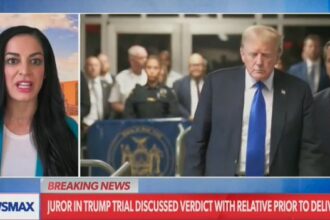
Some hope the courts will intervene. Judges have managed to block several of Trump’s actions, and legal troubles continue to mount. A New York jury convicted him of 34 felonies last year, though prison still eludes him. Legal scholars point to doctrines like the “major questions” principle, which demands congressional backing for decisions with massive political or economic impact, as possible checks on his power.
The media, weakened by relentless attacks and competition from social media, struggles to hold him accountable. Major outlets face lawsuits and bans while right-wing, pro-Trump news channels gain favor. In this climate, freedom of the press is more cautious than courageous.
There’s also a moral battle underway. In a country where faith remains a powerful force, many Americans turn to prayer in the fight against what they see as a deeply sinful leadership. Trump, embodying every one of the seven deadly sins, could yet face a higher form of judgment.
Yet among all the forces arrayed against him, none may be more effective than Trump himself. His arrogance, reckless foreign policy, and disastrous economic moves are alienating allies, weakening American influence, and bolstering adversaries like China. His greed is just as damaging, with fresh allegations of insider trading and corruption swirling around his inner circle.
In the end, Trump’s greatest enemy isn’t the courts, the media, or even public opinion — it’s Trump. His own spiraling hubris could be the very thing that brings him down, faster and more completely than any outside force ever could.