Former President Donald Trump made waves Saturday night by announcing his new TikTok account, marking a significant change in his social media approach. The news comes on the heels of a major financial blow, with his shares in Truth Social, the social media platform he founded, plunging by $314 million.
On June 2, 2024, Newsweek reported on Trump’s latest venture. He launched his verified TikTok account, @realDonaldTrump, with a video of him greeting fans at the Ultimate Fighting Championship (UFC) event in Newark, New Jersey.
This move is noteworthy for several reasons. First, it signals Trump’s willingness to adapt and remain relevant in the fast-evolving world of social media, despite his previous criticisms of TikTok. His administration had attempted to ban the platform due to national security concerns over its Chinese ownership.
Trump’s decision to join TikTok likely aims to reach a younger and more diverse audience, potentially laying the groundwork for another presidential run in 2024. The platform, known for its short, engaging videos, is a powerful tool for political messaging and mobilization, particularly among younger demographics.
The backdrop to this strategic pivot is a challenging one. Truth Social, intended as a free speech haven and an alternative to mainstream social media, has faced significant hurdles. Technical issues, regulatory scrutiny, and stiff competition have all contributed to a volatile market performance, culminating in the substantial $314 million loss in share value.
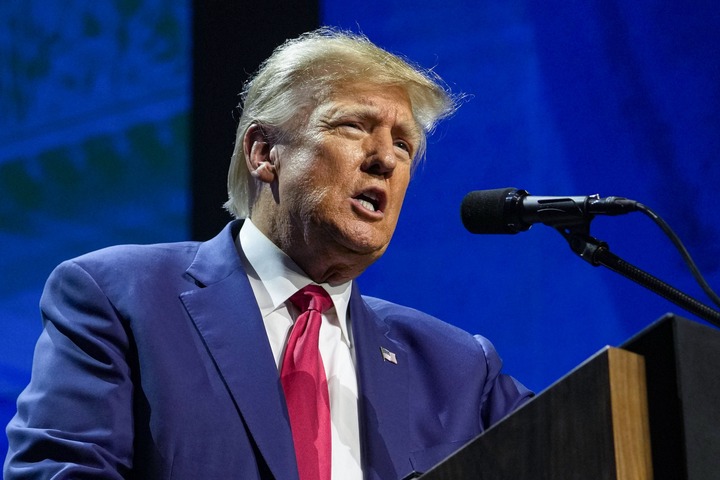
Trump’s presence on TikTok serves multiple purposes. Politically, it allows him to engage directly with millions of users who may not frequent platforms like Facebook or Twitter. This move reflects a broader trend where political figures leverage new social media forms to stay connected and influential.
However, this strategy comes with risks. Trump’s relationship with social media has been contentious, notably resulting in his permanent ban from Twitter following the January 6th Capitol riots. TikTok, with its young user base and emphasis on creativity, presents a different challenge. Trump’s content will need to resonate in a space vastly different from the more traditional platforms he is accustomed to.
Reactions to Trump’s TikTok debut have been mixed. Supporters commend his adaptability and efforts to connect with a younger audience. Critics, however, point out the apparent contradiction given his earlier attempts to ban the platform.
As digital communication continues to evolve, maintaining a presence on popular platforms is crucial for public figures, especially those with future political ambitions. Trump’s move to TikTok illustrates his recognition of this reality and his efforts to remain a key player in the social media landscape.