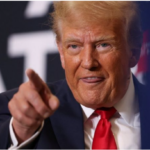
In a fiery rally on Tuesday, December 19, former President Donald Trump unveiled a bold policy proposal for his potential 2024 presidential bid, pledging to federally indemnify all police officers and law enforcement officials nationwide.
Addressing a fervent crowd, Trump declared, “I am also going to indemnify our police officers. This is a big thing, and it’s a brand new thing, and I think it’s so important.”
“I’m going to indemnify, through the federal government, all police officers and law enforcement officials throughout the United States from being destroyed by the radical left for taking strong actions against crime.”
While Trump did not delve into specific details, the concept of indemnification would likely shield police officers from personal liability and lawsuits stemming from actions carried out in the line of duty. This move could potentially complicate efforts to hold officers accountable for misconduct or the use of excessive force.
The former president framed the policy as a crucial show of support for law enforcement amid heightened scrutiny and calls for reform following instances of police brutality. Trump denounced efforts aimed at holding law enforcement accountable as attempts to “destroy” police, particularly singling out the so-called radical left.
Trump also took a swipe at the “defund the police” movement, which gained momentum during the racial justice protests in 2020 following the killing of George Floyd.
As the frontrunner among potential 2024 Republican contenders, Trump has consistently emphasized his unwavering support for law enforcement. Despite not officially announcing his candidacy, he has increasingly hinted at a possible third presidential run.
Legal experts express uncertainty over the feasibility of the federal government indemnifying state and local police officers, anticipating potential legal challenges. The lack of specifics from Trump further complicates the assessment of the practical implications of such a policy.
Trump’s rally in Iowa showcased his continued influence in the crucial first-in-the-nation caucus state. The reception of a federal police indemnification policy among Republican primary voters and the broader electorate remains uncertain, adding an additional layer of intrigue to the evolving political landscape.