In a landmark conclusion to the $370 million financial fraud trial, conservative attorney George Conway shed light on the allegations surrounding Donald Trump’s manipulation of financial records during a recent appearance on MSNBC’s “The Weekend” show.
The trial, presided over by Judge Arthur Engoron, delivered a potentially pivotal blow to the Trump Organization despite the former president’s fervent defenses and counter-accusations, reported by RawStory on Saturday.
Conway, offering his expert analysis on the closing arguments, underscored the distinct nature of this New York case, which diverges from the four criminal cases where Trump’s personal freedom is at stake. Instead, this trial carries the weight of influencing Trump’s financial standing and business enterprises significantly.
“The judge has already found, based upon, frankly, undisputed evidence, that he cooked the books,” Conway pointed out, illuminating a crucial aspect of the case.
Trump faces allegations of manipulating financial records presented to lenders and insurers, jeopardizing the integrity of the financial information provided. Despite the defense’s assertion that no financial harm ensued since lenders eventually recovered their funds, Conway contested this stance, emphasizing the inherent risks associated with presenting falsified financial records.
“You cannot have fake books,” he asserted, underlining the potential repercussions for businesses and individuals relying on accurate financial information.
Delving into the legal intricacies, Conway highlighted that operating as a New York-incorporated corporation or a foreign corporation with the right to conduct business in the state is a privilege. The law explicitly prohibits the abuse of this privilege, especially through deceptive practices like cooking the books.
“His problem is he has no defense to the fact that he cooked the books,” Conway bluntly stated, revealing a potential vulnerability in Trump’s legal strategy. The absence of a robust defense against the allegations raises concerns about the future of the Trump Organization.
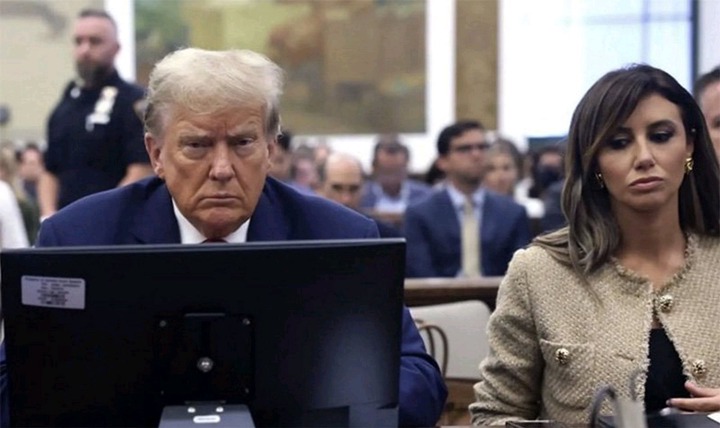
Throughout the trial, Conway characterized Trump’s courtroom theatrics as a facade concealing a lack of substantive defense against the charges. The gravity of the situation became apparent as Conway highlighted the court’s authority to revoke Trump’s corporate status, a move that could potentially lead to the former president going out of business.
In essence, the trial’s focus on financial misconduct and the manipulation of books has shifted the narrative from criminal charges with potential incarceration to severe financial consequences. The impending verdict by Judge Engoron holds the power to reshape the trajectory of the Trump Organization and Donald Trump’s business endeavors, extending its impact beyond the courtroom to the broader political and financial landscape.