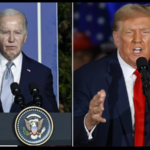
Joe Biden, the President of the United States, concluded his international tour with the G7 summit in Italy along the Adriatic coast. The primary goal was to reassure America’s allies amidst concerns about U.S. leadership. However, Politico reports that the potential return of former President Donald Trump to the White House overshadowed Biden’s efforts.
Throughout the summit, Biden underscored a vision of sustained American commitment to transatlantic partnerships and global leadership. His speeches and actions solidified his administration’s stance on promoting democracy, collaborating with allies, and bolstering market economies. Yet, these assurances were marred by speculation about Trump’s political resurgence.
During the summit, Biden emphasized the signing of a significant security pact with Ukraine, reaffirming America’s support for Kyiv in the face of potential Russian aggression, though specifics on military involvement were not disclosed. Additionally, he negotiated a deal to direct $50 billion in aid for Ukraine’s reconstruction through seized Russian assets. These initiatives underscored Biden’s dedication to supporting Ukraine amid its enduring conflict with Russia.

Despite Biden’s efforts, European allies remain apprehensive about future developments. Concerns linger not only about Trump potentially dismantling Biden’s initiatives but also about Biden’s age and his capacity to lead effectively in the coming years. Former Latvian defense minister Artis Pabriks highlighted these concerns, noting widespread unease about Biden’s stamina and longevity.
Biden’s advisors counter that aligning closely with democratic allies remains pivotal amidst global instability. National Security Adviser Jake Sullivan stressed that reinforcing alliances is crucial for navigating today’s turbulent geopolitical landscape.
In addition to commitments to Ukraine, Biden took steps to bolster America’s role in global economic initiatives. He announced sanctions targeting Russia and China, alongside agreements aimed at enhancing economic development and countering China’s trade practices. These actions formed part of a broader strategy to uphold America’s strategic position globally, irrespective of the outcome of the upcoming election.
Nevertheless, anxiety among European leaders persists. Uncertainty surrounding the 2024 presidential race, where Trump remains a viable contender, has fueled concerns about potential disruptions to U.S. foreign policy. This apprehension is compounded by perceptions of Biden’s vulnerabilities, both in terms of age and his administration’s evolving approach to international affairs.

Reflecting on his extensive public service career, Biden acknowledged the complexities of global leadership while reiterating his belief in the critical importance of democratic solidarity.
“The overarching message Biden has conveyed throughout his candidacy and presidency is that America is back,” noted Rachel Rizzo, a senior fellow at the Atlantic Council. “However, a significant segment of the American electorate remains skeptical of alliances and the U.S. role in the world.”
Despite challenges, Biden and his administration remain committed to upholding and advancing principles of democratic cooperation and international stability. They are driven by the conviction that these values are essential for tackling global challenges. As Biden’s final foreign trip underscores, the implications of the upcoming election extend well beyond American shores, potentially reshaping the global order for years to come.