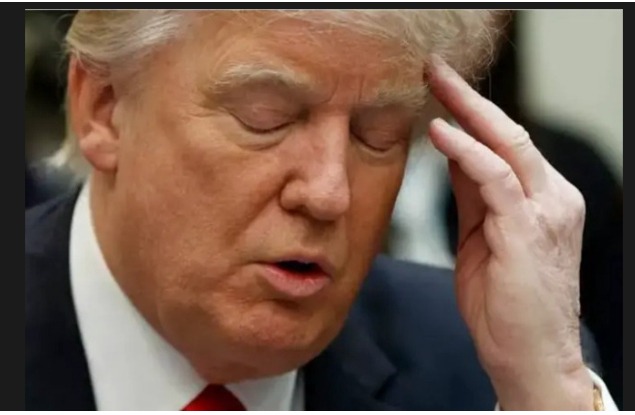
Former federal prosecutor Glenn Kirschner’s analysis, reported by Newsweek on January 6, 2024, delves into the intricate challenges central to Donald Trump’s appeal to the U.S. Supreme Court regarding his exclusion from Colorado’s primary ballot, marking a pivotal moment in the ongoing legal confrontation.
Kirschner, a respected legal authority, underscores the complexity embedded within the issues that demand resolution.
The ban on Trump from Colorado’s primary ballot, invoking Section 3 of the 14th Amendment—prohibiting those involved in or supporting an insurrection against the U.S. government from holding elected office—was upheld by Colorado’s Supreme Court last month. This ruling has set the stage for a head-to-head legal clash between Trump and the state.
Despite currently leading the 2024 GOP presidential primary race, the former president vehemently denies any involvement in the January 6, 2021, Capitol riot.
Kirschner highlights the primary challenge in Trump’s appeal—disproving the state’s allegation of his role in the Capitol riot. Despite ample evidence and the Department of Justice’s indictment on four counts linked to the riot, Trump maintains his innocence. This frames a contentious legal battle over interpreting the events of the Capitol breach and applying the 14th Amendment.
The second crucial issue, per Kirschner, revolves around Trump’s persistent claims of election fraud without substantiated evidence. He insists the 2020 election was stolen from him, fueling legal battles and ongoing political discord. Kirschner emphasizes the imperative for Trump to provide concrete evidence to support his allegations, a task that has remained elusive.
In assessing the appeal, the Supreme Court may scrutinize the legitimacy of Trump’s claims and their broader legal implications.
Kirschner’s third highlighted challenge relates to the Department of Justice’s August 2023 indictments against Trump. The charges—conspiracy to defraud the United States, obstruction of an official proceeding, and conspiracy against rights—clash with Trump’s firm denial of any wrongdoing. This raises questions about the indictments’ legal validity and their potential repercussions on his political trajectory.