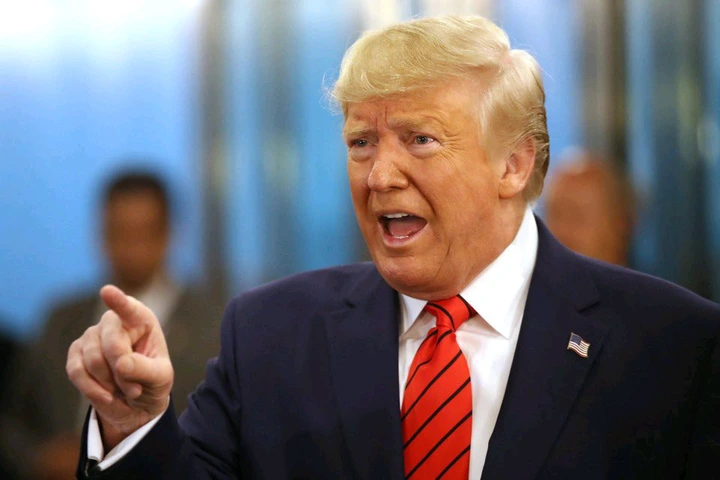
Former President Donald Trump’s campaign has stirred controversy by refusing to sign a loyalty oath as part of the registration process for the Illinois primary ballot in the upcoming election, according to a report by Independent. The pledge requires candidates to commit to not advocating the overthrow of the U.S. government, as reported by The Chicago Sun-Times.
The routine loyalty oath explicitly mandates candidates to pledge that they will “not directly or indirectly teach or advocate the overthrow of the government of the United States or of this state or any unlawful change in the form of the governments thereof by force or any unlawful means.”
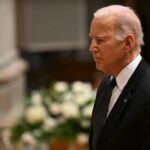
In contrast, both Joe Biden and Ron DeSantis have willingly endorsed this commitment, highlighting their dedication to upholding democratic values. Notably, Trump had signed the pledge in previous primary registrations for the 2016 and 2020 elections, making this deviation from past practices particularly noteworthy.
Despite widespread speculation, the Trump campaign has refrained from providing an explanation for this conspicuous omission, leaving political analysts and the public to ponder the motivations behind this decision.
A spokesperson for the Biden campaign offered insight, stating, “We know he’s deadly serious because three years ago today he tried and failed to do exactly that.” This comment refers to Trump’s past actions that have raised concerns about the stability of democratic institutions.
While Trump’s decision not to sign the loyalty oath raises questions about his commitment to democratic norms, historical precedence suggests that such refusals are often strategic, affording candidates greater flexibility in their rhetoric and political maneuvering.
Over the weekend, Trump made a series of appearances in Iowa leading up to the state’s caucuses scheduled for January 15th. During these events, he made notable statements, including a controversial claim about the American Civil War, suggesting it “could have been negotiated.” This statement, contrary to historical consensus, is likely to prompt debates among historians and political commentators.
Furthermore, Trump expressed unconventional views on international relations, praising China—a departure from his usual rhetoric, causing surprise among both supporters and critics. He also took the opportunity to target his late Republican adversary, John McCain, focusing on McCain’s combat injuries. This choice of targets adds another layer of controversy to Trump’s recent engagements, delving into personal and sensitive matters. The absence of a clear explanation from the Trump campaign adds to the speculation surrounding these decisions, leaving the public and political analysts intrigued about the motives behind these unconventional moves.