

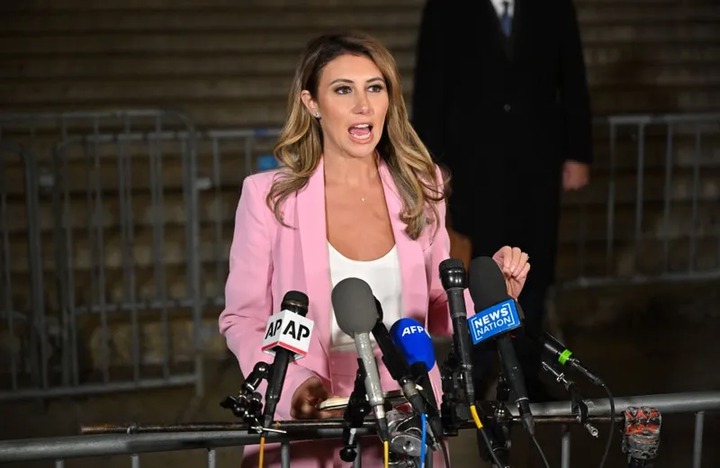
During the cross-examination of E. Jean Carroll on Thursday, Trump’s attorney, Alina Habba, faced the disapproval of Judge Lewis Kaplan. Habba persisted in questioning Carroll about her past sexually explicit tweets, despite their lack of relevance to the case against former President Donald Trump, who was previously found liable for sexually abusing and defaming Carroll by a jury.
Matthew Russell Lee of Inner City Press reported on January 18, 2024, that Habba’s line of inquiry led to repeated objections from Carroll’s attorney, all of which were sustained by Judge Kaplan.
After sustained objections, Habba shifted her approach and began suggesting that Carroll had benefited financially and personally from being the target of Trump’s defamatory claims. In one instance, Habba asked Carroll if the verdict last year had elevated her status in New York, to which Carroll responded with a sense of triumph.
Habba then questioned Carroll about media appearances and left-leaning platforms, prompting further objections from Carroll’s counsel, which were once again sustained by Judge Kaplan. Despite the sustained objections, Habba persisted, leading the frustrated judge to scold her for ignoring his rulings.
The tense courtroom exchange underscored the contentious nature of the cross-examination, with Habba’s focus on Carroll’s past tweets and personal and financial gains appearing to deviate from the central issue of whether Trump had sexually abused and defamed her.
E. Jean Carroll’s case against Donald Trump has garnered significant attention for its implications in holding powerful individuals accountable. The trial, marked by media coverage and public interest, continues to unfold, and the impact of Habba’s cross-examination on the ultimate outcome remains uncertain.
The judge’s rebuke serves as a reminder of the importance of adhering to courtroom decorum and respecting the rulings of the presiding judge. As the trial proceeds, observers remain captivated by the proceedings, exploring allegations of sexual misconduct and the broader issue of accountability for individuals in positions of power.


