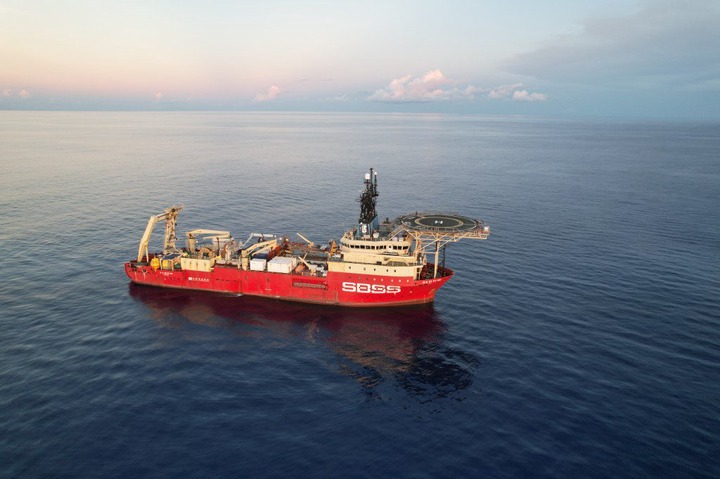
US national security officials have issued warnings to major tech firms, including Google and Meta, about potential espionage risks involving undersea internet cables managed by Chinese-controlled repair ships. The concerns specifically target fiber-optic cables in the Pacific Ocean that facilitate data transfer between the US and Asia.
Key Concerns and Incidents
- Suspected Tampering: Maintenance of these undersea cables requires specialized ships, some of which are controlled by China. Officials are particularly worried about SB Submarine Systems (SBSS), a firm controlled by the Chinese Communist Party (CCP). SBSS ships have allegedly turned off their transponders to obscure their locations, raising suspicions about potential tampering.
- Specific Incidents: In 2019, the SBSS vessel “Bold Maverick” was reported to have intermittently turned off its transponder over a four-day period while lingering in a one-mile area off the coast of Singapore. Similar occurrences have been noted near Taiwan and Indonesia.
- National Security Threats: The primary concerns include intellectual property theft, interception of US data streams, and identification of military communication links. These actions could severely compromise US commercial and military data security.
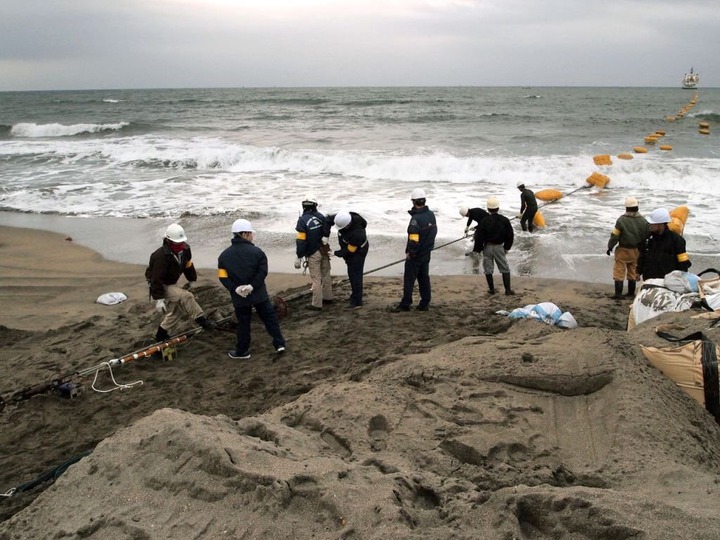
Image Credit : Getty Image
Official Reactions and Statements
- State Department Concerns: The State Department has highlighted the activities of SBSS, noting the potential risks associated with their actions. The Biden administration has been briefed on these concerns.
- National Security Council: In a statement, the National Security Council emphasized the importance of transparency and safety in the construction, maintenance, and repair of undersea cables. Satellite tracking of repair ships was cited as a crucial measure for ensuring vessel monitoring and safety.
- Chinese Response: Liu Pengyu, a spokesperson for the Chinese Embassy in Washington, dismissed the concerns as baseless, defending the activities of Chinese companies as legitimate business operations.
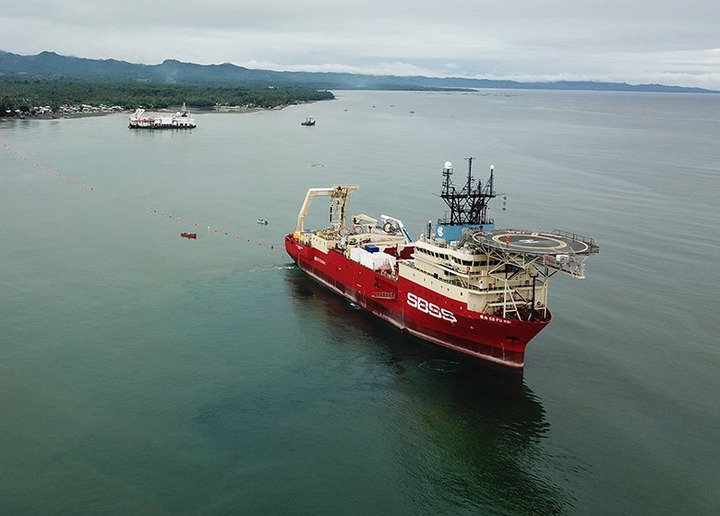
Image Credit : Getty Image
Broader Context
- US-China Tensions: This issue arises amid escalating tensions between the US and China, particularly regarding aggressive Chinese actions towards Taiwan. The US has previously banned China Telecom, the majority owner of SBSS, citing national security concerns.
- Importance of Undersea Cables: These cables are critical for global internet infrastructure, handling significant volumes of data transfer between continents. Any compromise of their integrity could have far-reaching consequences.
- Future Actions: Google, Meta, and other involved companies have been contacted for comments. The situation underscores the need for robust security measures and vigilant monitoring to protect critical infrastructure from potential threats.
As the geopolitical landscape continues to evolve, the security of undersea cables remains a significant concern for US national security, highlighting the intricate and often covert nature of modern cyber-espionage threats.