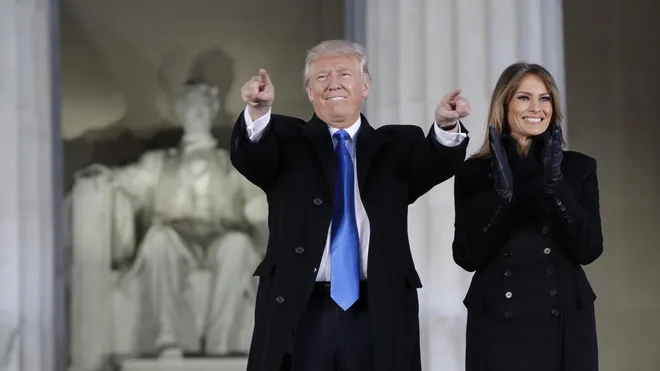
Realm of political leadership, the debate often centers not just on policies and rhetoric, but on the fundamental qualities of character that define a leader. One such figure who has been at the center of this debate is Donald Trump, whose presidency was marked by controversy and polarization.
While some may argue that style and charisma are pivotal in leadership, a deeper examination reveals that character, above all, is what truly matters. Character encompasses integrity, empathy, and moral fortitude—qualities that guide decisions and inspire trust among the populace.
Donald Trump’s tenure as President of the United States underscored a stark contrast between style and substance. His charismatic persona and unconventional approach to governance captivated many supporters, yet his character flaws often overshadowed his policy achievements. From inflammatory rhetoric to divisive actions, Trump’s presidency was marred by scandals and ethical controversies that called into question his suitability for the highest office.
In evaluating leadership, it becomes evident that character shapes not only policy outcomes but also national unity and ethical standards. A leader’s character sets the tone for governance, influencing how they handle crises, navigate diplomacy, and uphold democratic values.
Critics argue that Trump’s leadership style lacked the moral grounding and temperament necessary for effective governance. His combative demeanor and frequent clashes with political adversaries highlighted a leadership style driven more by personal ambition than public service.
In contrast, proponents of character-driven leadership advocate for leaders who prioritize honesty, humility, and accountability. They argue that these traits foster a culture of transparency and integrity within government, reinforcing trust between leaders and the electorate.
As the debate continues, the importance of character in leadership remains a cornerstone of political discourse. Beyond mere political affiliation, voters increasingly prioritize leaders who exhibit moral clarity and a commitment to ethical governance.
In conclusion, while style may capture attention, it is character that defines true leadership. Donald Trump’s presidency serves as a potent reminder that character matters profoundly in the assessment of leadership suitability. As the nation navigates its future, the enduring lesson remains clear: in a real leader, character matters more than style.