Attorneys Back Media Push for Transparency Amidst Heightened Public Interest
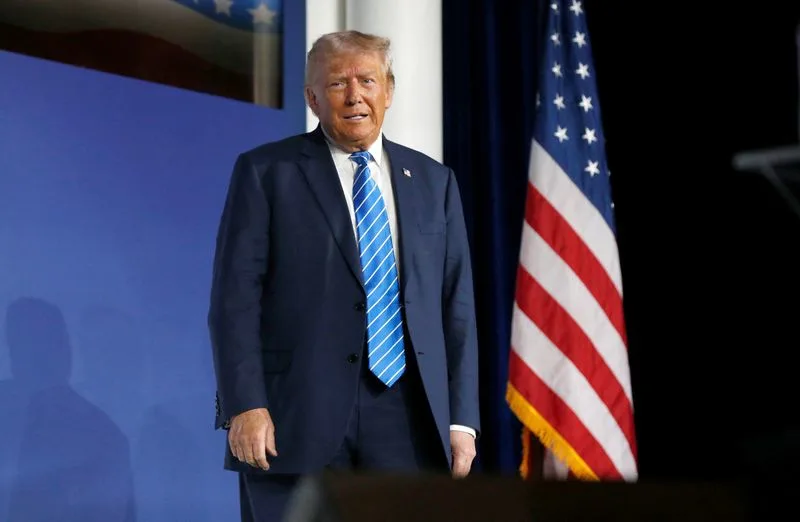
Attorneys representing former President Donald Trump have voiced their support for a media initiative seeking permission to install cameras in the courtroom during his federal election fraud trial set for the coming year.
In a filing submitted last Friday, the legal team underscored that allowing cameras in the courtroom would serve as a means to showcase what they claim to be unfair treatment of Trump by the justice system, emphasizing the former president’s call for transparency. The lawyers asserted, “President Trump calls for sunlight,” and added, “Every person in America, and beyond, should have the opportunity to study this case firsthand and watch as, if there is a trial, President Trump exonerates himself of these baseless and politically motivated charges.”
A report by the Hill on Saturday, November 11, highlighted that the push for courtroom cameras arises amidst heightened public interest in the legal proceedings concerning allegations of election subversion.
Debates surrounding the potential impact of broadcasting such a high-profile trial on national television and online platforms have ensued. Advocates argue that allowing cameras in the courtroom would enhance transparency, offering an unfiltered view of the legal process and allowing citizens to form their own opinions based on direct observation, aligning with principles of open justice and public accountability.
Opponents, however, express concerns about potential implications on witness testimony, juror behavior, and the overall administration of justice. They contend that televising the trial could unduly influence public opinion, potentially compromising the fair adjudication of the case.
The federal election subversion trial involving Trump has garnered significant attention due to its potential implications for electoral integrity and democratic norms. The outcome of this legal battle could reverberate through future elections and shape political discourse in the United States.
As legal proceedings unfold, both supporters and critics closely monitor developments surrounding the case. The decision on whether to permit cameras in the courtroom for Trump’s federal election fraud trial is poised to be a pivotal point in shaping public access to this high-stakes legal showdown.
In response to this development, media organizations have emphasized their commitment to upholding the public’s right to information and ensuring transparency in matters of significant public interest. They contend that allowing cameras in the courtroom would facilitate widespread access to critical proceedings directly impacting democratic processes and governance.
The ongoing debate over permitting cameras in courtrooms for high-profile trials reflects broader discussions about balancing transparency with fairness within the judicial system. This issue raises fundamental questions about how to best uphold principles of justice while meeting the public’s legitimate interest in accessing crucial legal proceedings.