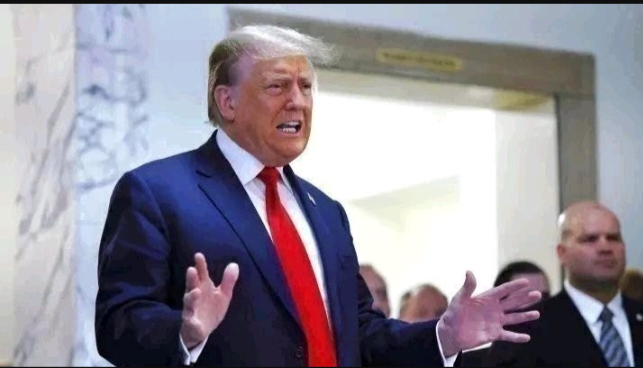
At Kissimmee, Florida, Donald Trump dropped a bombshell, saying, I’ll bring peace through strength, and I’m the only one who can stop World War III because we’re really close. Forget the politics; this statement has sparked serious concerns. According to USA TODAY on November 12, 2023, the idea of World War III is hanging over us, given today’s global tensions.
The world is a powder keg of conflicts, with the Council on Foreign Relations’ Global Conflict Tracker listing over 25 ongoing battles. From brutal civil wars in Sudan and Yemen to the tense face-off between China and Taiwan, the world is no stranger to turmoil.
While we might feel sheltered in the USA, the similarities to the alliances that triggered World War I and II are hard to ignore. On one side, the U.S., NATO allies, and democracies like Japan, South Korea, and Israel; on the flip side, China and Russia, along with Iran and its terrorist buddies. It’s an ideological clash that echoes past global catastrophes.
The recent Israel-Hamas showdown adds more fuel to the fire. The U.S. is sending troops and fleets in response, intensifying the risk of a larger conflict. Iran holds a key role, forced to decide whether to back attacks on Israel or rally allies against it, potentially dragging the U.S. into the mess.
This messy web of alliances highlights the United States’ critical role in preventing big global clashes through diplomacy and deterrence. Yet, the U.S. is currently divided, distracted, and unstable, putting this crucial role at risk.
And don’t forget the domestic drama. With the upcoming election, people worry about whether the losing side will accept the results, deepening distrust in institutions. A divided and distrustful America can’t effectively deal with global dangers, as unity and trust are the keys to avoiding disaster.
To handle the world’s complexities, the U.S. needs to be a calm and thoughtful force, capable of making smart decisions without rushing into war or appeasement. Failing to do so could mean chaos on a global scale.