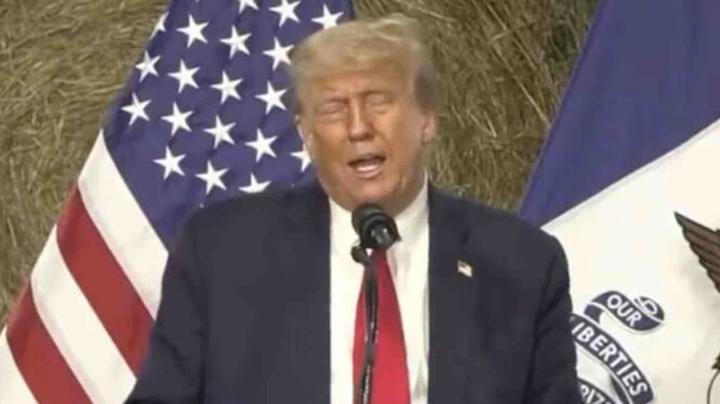
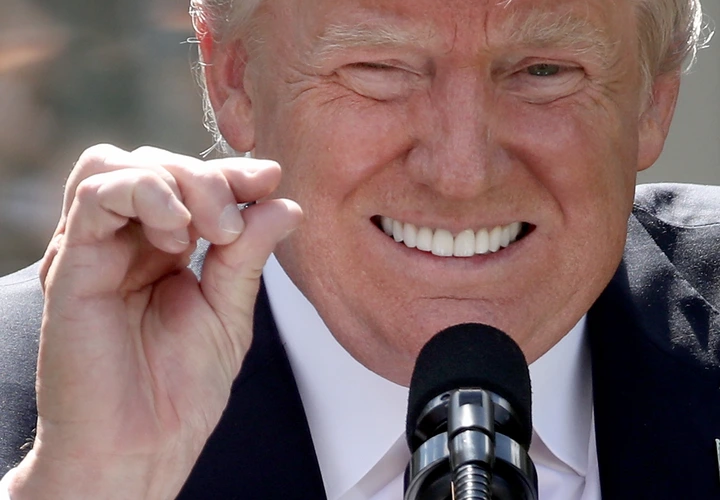
Charles Littlejohn, a former IRS contractor, is on the brink of a five-year prison term for his role in leaking tax return information of former President Donald Trump and other affluent Americans to the media in 2021. According to Bloomberg Law’s report on January 17, 2024, Littlejohn pleaded guilty in October 2022 and now faces the consequences of unauthorized disclosures and obstructing the ensuing investigation, as confirmed by the Department of Justice (DOJ).
Prosecutors from the DOJ are pushing for the maximum 60-month sentence, citing Littlejohn’s “betrayal of the public trust” and aiming to serve as a deterrent for potential future leakers. The DOJ disclosed that Littlejohn took deliberate actions to cover his tracks, including wiping his user profile, destroying virtual machines used in the theft, and canceling the domain registration of the website used to upload the information.
Scheduled for sentencing on January 24th, Littlejohn’s unauthorized disclosures revealed tax information indicating that several billionaires, including Tesla CEO Elon Musk, paid minimal or no federal income taxes in certain years. Lawmakers expressed outrage over perceived preferential treatment for the ultra-wealthy, with Musk responding to the leaks by selling a significant portion of his Tesla stock, resulting in a federal tax bill of approximately $11 billion.
Democratic senators responded by proposing legislation to tax the net worth of billionaires, like Musk, rather than solely their income. Musk, in turn, engaged in public spats on Twitter with Senators Elizabeth Warren, Bernie Sanders, and Ron Wyden over the proposed legislation.
Littlejohn’s defense contends that he aimed to expose tax loopholes exploited by the wealthy. However, prosecutors dismissed this assertion, emphasizing Littlejohn’s efforts to conceal his actions. Despite Littlejohn expressing “sincere remorse” and this being his first offense, the government argues that his “betrayal of public trust merits significant punishment,” given his background as both a contractor and former law enforcement officer.
Criminal prosecutions for tax evasion are infrequent, typically reserved for extreme cases involving asset and income concealment. Littlejohn, however, crossed a clear criminal line by directly accessing and leaking private IRS data, serving as a stark warning to potential leakers.
This case also sheds light on concerns regarding IRS computer security. Littlejohn exploited his insider access as a contractor to pilfer extensive private taxpayer data before detection by the IRS. Lawmakers are now urging the IRS to review its contractor vetting and cybersecurity controls, although the agency maintains that its systems were not compromised.
The IRS assured the public that there is no evidence of additional disclosure of tax information beyond what was discovered during the investigation. While the leak undoubtedly compromised taxpayer privacy, there is no indication that Littlejohn shared the information more widely. The DOJ concluded its investigation, finding no evidence that Littlejohn profited from selling the stolen tax data.