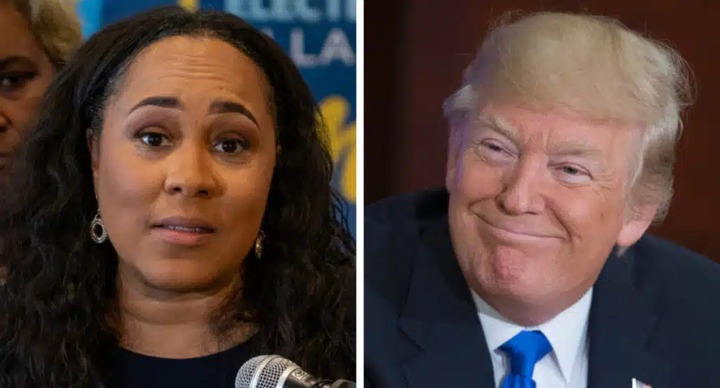
The Georgia Supreme Court has thwarted Republican endeavors to unseat Fulton County District Attorney Fani Willis from her role. Willis, currently prosecuting former President Donald Trump for his alleged involvement in overturning the 2020 election in Georgia, faced mounting challenges from GOP-led efforts to remove her.
The court’s ruling, handed down on December 15, 2023, marks a pivotal victory for Willis, striking down attempts by a Republican-supported commission to discipline prosecutors. The commission’s proposed operational rules were denied approval by the court, rendering it unable to proceed. The legal impediment centers around the necessity for the court’s approval before the commission can commence its operations.
This decision not only safeguards Willis’s position but also has broader implications for district attorneys across Georgia, who have found themselves under siege through more than 30 legislative initiatives in recent years, aiming to forcibly remove them from office.
The laws in question specifically target district attorneys actively engaged in criminal justice reforms and pursuing indictments against high-profile defendants. Reflecting a broader trend, the Georgia law aligns with multiple nationwide conservative attempts to displace Democratic prosecutors.
While the court’s ruling deals a setback to Republican efforts to unseat Willis, GOP lawmakers are actively pursuing a revision of the law to eliminate the requirement for court approval, with State Rep. Houston Gaines expressing confidence in achieving this change as early as January.
Willis, accompanied by her legal team, is advocating for a consolidated trial encompassing all defendants. Fulton County Superior Court Judge Scott McAfee has set the trial date for Trump and his co-defendants for May 2024.
The Georgia Supreme Court’s decision concludes months of relentless Republican endeavors to remove Willis from her prosecutorial role. Accusations of political motivation have been leveled against Willis by Republicans, who assert that her prosecution of Trump and his co-defendants is politically biased. Willis vehemently denies these claims, maintaining that she is simply adhering to the evidence presented in the case.
This legal triumph is not only a relief for Willis but also a win for advocates of criminal justice reform, who argue that attempts to unseat district attorneys represent an effort to impede progress and maintain the existing status quo within the criminal justice system.