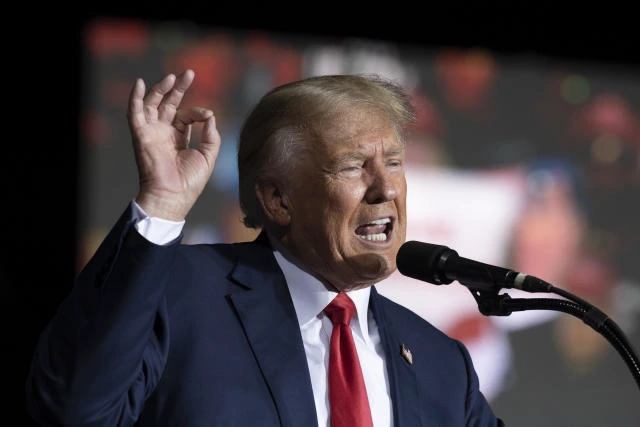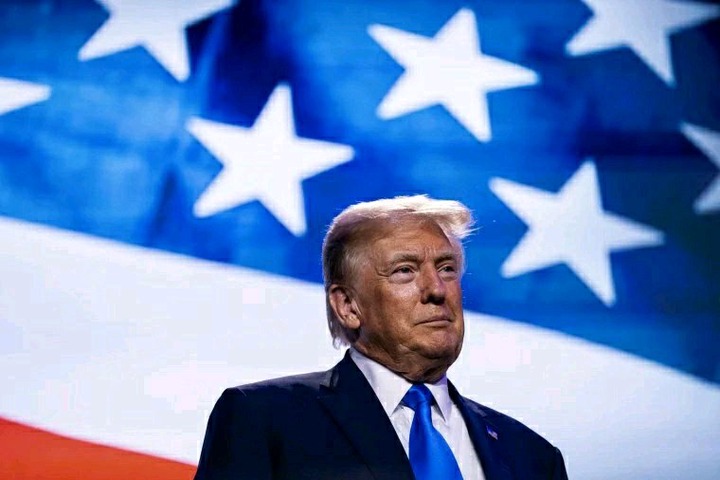
Former President Donald Trump vigorously defended his claims of a “rigged” and “stolen” 2020 election, asserting that he was fulfilling his duty as President to expose what he believes are irregularities. Trump, in a statement on Truth Social, emphasized that he was not campaigning but rather continuing his obligation to investigate alleged electoral misconduct, presenting what he deems as voluminous and irrefutable proof.
This defense aligns with arguments presented by Trump’s legal team in a recent late-night court filing, centered on the concept of presidential immunity. Trump’s lawyers assert that he is shielded from prosecution for his official acts while in office, categorically stating, “President Trump has absolute immunity from prosecution for his official acts as President.”
The indictment against Trump concerns his post-election actions, despite previous assurances from his own officials that the 2020 election was the most secure in U.S. history. Accusations include pressuring local election officials, urging Vice President Mike Pence to intervene in the certification of electoral votes, and disseminating false claims of tampered votes, ultimately leading to the Capitol attack on January 6.
In their filing to the D.C. Circuit Court of Appeals, Trump’s legal team sought the dismissal of the lower court’s ruling allowing the prosecution to proceed. District Judge Tanya Chutkan, in her earlier ruling, emphasized that being president does not confer a lifelong “get-out-of-jail-free” pass.
Despite arguments about concluding the case before the 2024 election, the Supreme Court denied special prosecutor Jack Smith’s request for an expedited ruling, prolonging the legal battle. This decision raises questions about the limits of executive immunity and the consequences of post-office actions for former presidents.
As Trump continues to assert his presidential duty in contesting the election results, the ongoing legal proceedings may significantly impact perceptions of accountability and the boundaries of presidential authority in the United States.