The Department of Justice (DOJ) is facing criticism after opting not to pursue a second trial for FTX founder Sam Bankman-Fried on campaign finance violations, a decision that has ignited a wave of scrutiny and accusations of political influence.
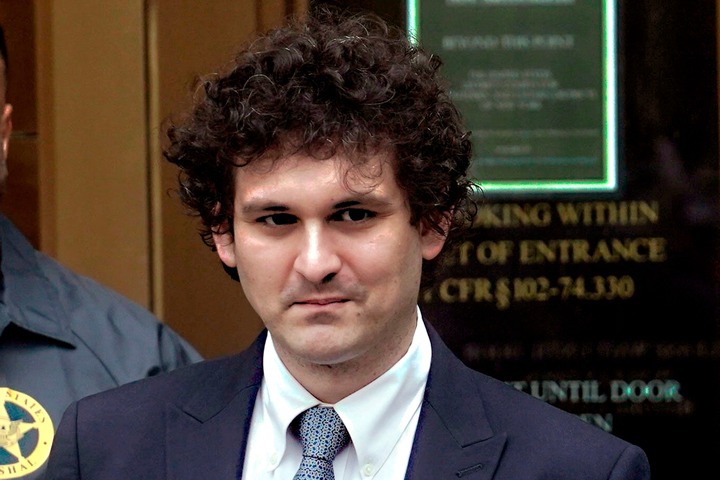
Bankman-Fried, recently convicted on seven fraud and conspiracy counts related to an alleged $8 billion embezzlement from cryptocurrency exchange customers, received the DOJ’s leniency despite the severity of the charges. In a letter filed on Friday night in federal court in Manhattan, prosecutors argued that the ‘strong public interest’ in a swift resolution of the case outweighed the benefits of a second trial.
The dropped charges, including campaign finance violations and bribery of foreign officials, were initially introduced as evidence during Bankman-Fried’s first trial, as confirmed by US Attorney Damian Williams. This move has raised eyebrows among critics who question the transparency of the decision.
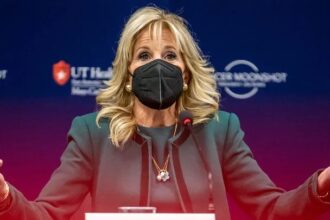
Republican voices, in particular, have expressed concerns about a potential connection between Bankman-Fried’s substantial donations to Democrats — including a reported $5.2 million to President Joe Biden’s 2020 campaign — and the dropped charges. Representative Tim Burchett from Tennessee took to Twitter, stating, ‘So we won’t know which politicians he bribed or who’s campaigns he influenced? That collective sigh of relief you are hearing is from the DEEP STATE.’
The cryptocurrency industry has also joined the chorus of disapproval. Paul Grewal, Chief Legal Officer of Coinbase, labeled the decision a “miscarriage of justice” and emphasized the importance of a public airing of charges, particularly regarding campaign finance violations. Grewal criticized the timing of the decision, stating, ‘Dropping this on a Friday night before a holiday only fuels public cynics about the politics of all this.’
Bankman-Fried, a major donor to both Democrats and Republicans, originally faced six additional charges related to unlawful campaign contributions, bribery of foreign officials, and other conspiracies. One of the dropped charges alleged a $40 million cryptocurrency payoff to Chinese officials.
Evidence presented during the trial suggested that Bankman-Fried directed ‘straw donor’ donations to influence cryptocurrency regulation. Despite the DOJ’s decision not to pursue a second trial, Bankman-Fried is expected to appeal his conviction. His sentencing is scheduled for March, with the possibility of facing decades in prison.
However, the lingering uncertainty stems from the Bahamas, where FTX was based. The country has yet to grant consent for a trial on the remaining charges, leaving questions about the broader impact of Bankman-Fried’s political contributions and whether justice is genuinely being served.