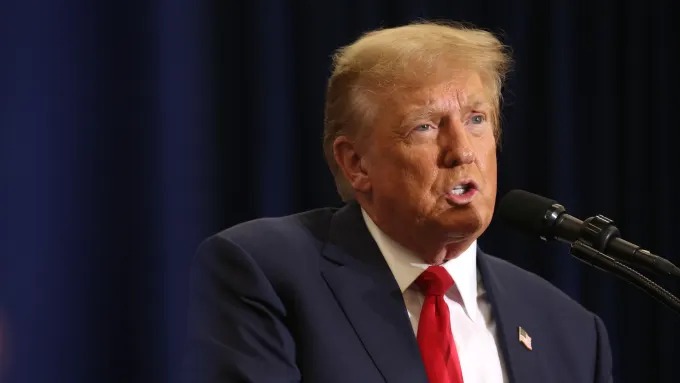
Former President Donald Trump has stirred controversy yet again by attributing the birth control debate to Democrats, despite his administration’s pivotal role in the issue. This latest assertion has reignited debates about accountability, healthcare policy, and political rhetoric.
Trump’s statement comes amid ongoing discussions about access to birth control and reproductive rights in the United States. During his presidency, his administration made several policy changes that impacted contraceptive coverage, sparking legal challenges and public outcry.
The controversy stems from Trump’s administration’s efforts to roll back the Affordable Care Act’s contraceptive mandate, which required employers to provide birth control coverage in their health insurance plans. This move was met with resistance from advocacy groups, healthcare providers, and Democratic lawmakers who argued that it undermined women’s access to essential healthcare services.
Despite these developments occurring during his tenure, Trump has shifted blame onto Democrats, portraying them as the instigators of the birth control debate. This narrative has drawn criticism from opponents who argue that it deflects attention from his administration’s policy decisions and their impact on reproductive healthcare.
Trump’s comments have also reignited discussions about the broader implications of healthcare policy and partisan rhetoric. The birth control controversy serves as a microcosm of larger debates about the role of government in healthcare, individual rights, and the influence of political ideology on policy-making.
In response to Trump’s remarks, Democrats and advocacy groups have reiterated their support for contraceptive access and reproductive rights, emphasizing the importance of affordable and accessible healthcare for all individuals.
The controversy surrounding Trump’s statements underscores the ongoing polarization and discord in American politics, particularly concerning healthcare and social issues. It highlights the challenges of navigating complex policy debates and holding elected officials accountable for their actions and statements.
As discussions continue, the birth control controversy remains a focal point in the broader landscape of healthcare policy and partisan discourse. It serves as a reminder of the enduring challenges and controversies surrounding reproductive rights and access to essential healthcare services in the United States.