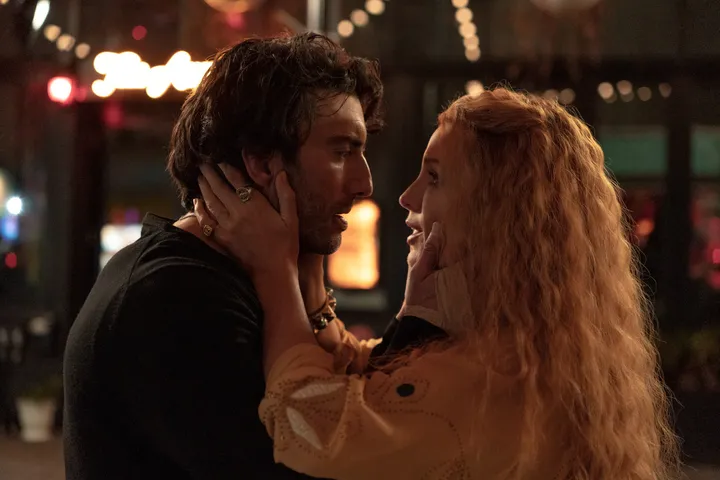
The film adaptation of Colleen Hoover’s viral novel, It Ends With Us, has hit theaters with much anticipation, especially among fans who were drawn in by the book’s emotional depth and powerful narrative. Starring Blake Lively and Justin Baldoni, the movie closely follows the plot of the book, bringing Lily Bloom’s (Lively) story to life on screen. However, while the film captures the essence of the book, it falls short in fully conveying the complexities of domestic abuse—a central theme in Hoover’s novel.
As the credits rolled and the theater lights came up, it was clear that the audience, composed mostly of women who likely connected deeply with the book, was emotionally invested in the story. The movie, like the book, follows Lily’s journey as she navigates her relationships with Ryle (Baldoni) and Atlas (Alex Neustaedter), intertwined with flashbacks of her traumatic childhood. The film does a commendable job of staying true to the book’s plot, much to the satisfaction of its fans.
However, the transition from book to film brings certain limitations, especially in how it handles the portrayal of domestic abuse. In the book, Lily’s experience is told from a first-person perspective, allowing readers to fully grasp her internal struggles and the gravity of her situation. The film, on the other hand, opts for a third-person narrative, which, while effective in some aspects, dilutes the intimate connection that readers had with Lily’s character.
One of the most significant differences between the book and the film lies in how Ryle’s abusive behavior is depicted. The film takes a more ambiguous approach, making it difficult for viewers to discern whether certain acts of violence are intentional or accidental. This blurring of lines might resonate with those familiar with the nuanced reality of abusive relationships, but it also risks downplaying the severity of the situation, potentially leaving viewers with an incomplete understanding of Lily’s plight.
The film’s climax, where Lily makes the difficult decision to leave Ryle, is another area where the adaptation falls short. Unlike the book, which delves into the emotional and psychological toll of breaking the cycle of abuse, the film glosses over these critical moments, offering only brief montages of Lily rebuilding her life. This omission leaves a gap in the narrative, depriving viewers of the full weight of Lily’s courage and resilience.
Colleen Hoover has stated that It Ends With Us was a departure from her usual style, as she aimed to depict a realistic and painful situation that many women face. The film, while faithful to the book in many ways, misses the opportunity to fully explore these themes, particularly in the latter part of the story.
In a world where intimate partner violence affects millions, it is crucial for media portrayals to provide not only a depiction of these experiences but also a message of hope and empowerment. While It Ends With Us succeeds in bringing the story to life, it falls short in delivering the nuanced and impactful ending that the book offered.
For fans of the novel, the film will likely be a satisfying experience, capturing much of what they loved about the book. However, the omission of key elements that explore the complexity of domestic abuse may leave some feeling that something important is missing. The movie captures the spirit of Hoover’s story, but in doing so, it bypasses the opportunity to fully engage with the difficult yet necessary conversation about breaking the cycle of abuse—a conversation that deserves more attention in both literature and film.