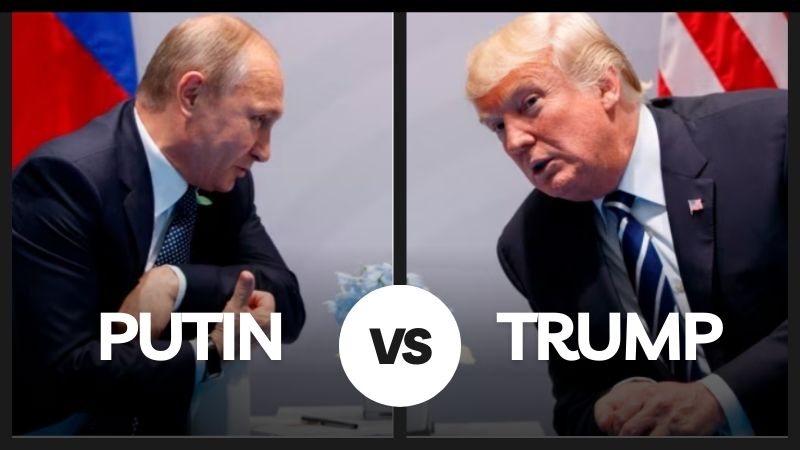
Russia has fired back at Donald Trump’s ultimatum to end the war with Ukraine or face heavy sanctions, tariffs, and taxes. The Kremlin, however, remains unmoved, stating that there are “no new elements” in Trump’s approach. This move comes right after Trump’s second inauguration, signaling his intent to aggressively pursue an end to the war. The President has promised to resolve the conflict within six months, a timeline he adjusted from his earlier claim of 24 hours, putting pressure on both Russia and Ukraine to come to the negotiating table.
Russia’s response, however, has been one of skepticism. Dmitry Polyanskiy, Russia’s Deputy United Nations Ambassador, emphasized that the key issue isn’t just about ending the war but addressing what Russia perceives as the “root causes” of the Ukrainian crisis. He suggested that the definition of a “deal” in Trump’s terms needs clarification, hinting at a complex negotiation process rather than a straightforward capitulation.
Kremlin spokesperson Dmitry Peskov echoed this sentiment, stating that there’s nothing particularly groundbreaking in Trump’s approach, as he has historically favored such economic measures. Peskov noted Russia’s readiness for dialogue, but only if it’s mutual and respectful, a stance previously articulated by President Vladimir Putin.
The implications of Trump’s threats extend beyond the immediate diplomatic front. With U.S.-Russia trade already at a low of $3.4 billion in 2024, the economic impact of new sanctions might be more symbolic than substantive. However, these measures could ripple through global markets, particularly affecting sectors like energy where Russia has a significant presence.
Critics like Bill Kristol have pointed out that without bolstering support for Ukraine, Trump’s strategy might lack the punch needed to sway Russian policy. Similarly, Peter Baker from The New York Times noted that past sanctions haven’t deterred Russia’s actions in Ukraine, questioning the effectiveness of this new threat.
Despite these views, Trump’s administration, through figures like special envoy Keith Kellogg, seems determined to use economic leverage to force a diplomatic breakthrough. Plans for further sanctions on Russian oil are reportedly in the works, aiming to tighten the economic screws on Moscow.
The global community watches closely as this saga unfolds, with many wondering if this economic pressure will be the catalyst for peace or if it will instead harden positions on both sides, making a resolution even more elusive. The next steps in U.S.-Russia relations, and indeed the fate of the Ukraine conflict, hang in a balance of economic threats and diplomatic maneuvering.