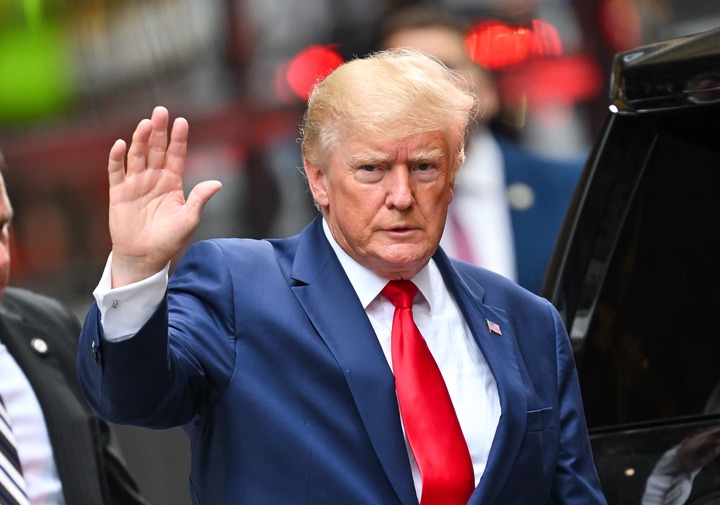
When President Trump silenced the CDC, HHS, and NIH in his first week in office, few realized how deeply that move cut. The temporary freeze on federal health agency communications, covering everything from regulations to advisories, might have seemed like routine bureaucratic pruning. But the CDC’s unchecked influence had already reshaped American lives—and not for the better.
For millions of Americans, COVID-19 was their first personal experience of raw, unregulated federal power. Health agencies didn’t enforce laws or issue regulations, yet their publications—mere suggestions—morphed into nationwide mandates. Social and mainstream media scrubbed dissent, leaving only one narrative standing. The result? Ordinary citizens began pressuring others to comply with directives that weren’t even laws.
But this phenomenon didn’t begin with COVID-19. One of the most devastating examples of unchecked CDC influence arrived years earlier, in 2016, when the agency issued opioid prescribing guidelines. These weren’t laws, nor were they regulations—but their impact was profound. Almost overnight, doctors slashed opioid prescriptions, insurers denied coverage, and 40 states enshrined arbitrary dosage limits into law. Patients suffering from chronic and severe pain, some of whom had been on stable, effective treatments for years, were suddenly cut off.
The CDC’s 2016 guidelines focused on opioid-naïve patients, recommending dosages below 90 morphine milligram equivalents (MME) per day. But the report ignored established patients, genetic variations in pain tolerance, and the reality that severe, chronic pain often demands significantly higher doses. Pain isn’t just a subjective experience—it’s observable in animals, infants, and even coma patients. Yet, despite these complexities, a rigid dosing threshold was set.
In the years that followed, opioid prescriptions plummeted. From 2011 to 2021, they fell 40%, and from 2016 to 2018, they dropped sharply, according to JAMA. The guidelines were weaponized by insurers, medical groups, and state governments to justify cutting pain treatment—often for the very patients who needed it most.
By 2024, over 60 million Americans suffered from chronic and severe pain, up from 39.4 million in 2014. Veterans, already at high risk for inadequate pain care, reported worsening conditions and increasing suicides. The CDC, facing backlash, claimed it had never intended for the guidelines to be applied so aggressively. By 2022, the agency had softened its stance, but the damage was irreversible. Laws remained unchanged, and physicians continued to fear repercussions for prescribing opioids.
The flawed data behind these guidelines was no secret. A 2017 CDC report argued that pneumonia deaths in patients with opioid prescriptions should count as opioid fatalities. A 2021 Cureus study revealed that, for over a decade, the CDC inflated opioid-related death numbers by including illicit fentanyl and methadone used in addiction treatment. A 2021 Pain Therapy report found that opioid deaths had been overcounted by 20–30%, almost exactly the percentage the CDC claimed opioid deaths were rising. Despite congressional orders, the CDC had yet to correct its overdose death reporting methods.
Scientific studies contradicted the CDC’s narrative. A 2018 BMJ study of over two million post-surgical patients found an opioid misuse rate of just 0.6%. A 2016 JAMA study of 641,941 patients showed opioid misuse rates ranging from 0.119% to 1.141%, depending on surgery type—barely different from the 0.136% rate in the non-surgical control group. Yet, the CDC’s war on prescription opioids continued.
Today, hospitals are reintroducing opioid-free surgery and emergency rooms, despite medical professionals warning that these policies prioritize ideology over patient care. Fear of legal consequences, fueled by cases like the Supreme Court’s Ruan decision, keeps many doctors from prescribing appropriate pain relief.
Even if the CDC were to publicly retract its 2016 guidelines, it wouldn’t erase the consequences. Forty states would need to repeal restrictive laws. Medical education would need to abandon its portrayal of prescribed opioids as uniquely dangerous. Hollywood’s anti-opioid narratives—financially incentivized by the White House—would need to end.
And none of it would bring back the patients who died by suicide after being forcibly tapered or cut off from their medications. Federal agencies have never investigated those numbers, and they likely never will. The CDC’s influence isn’t just about health policy—it’s about the power of unchecked narratives. And for millions of Americans in pain, that power has proven deadly.