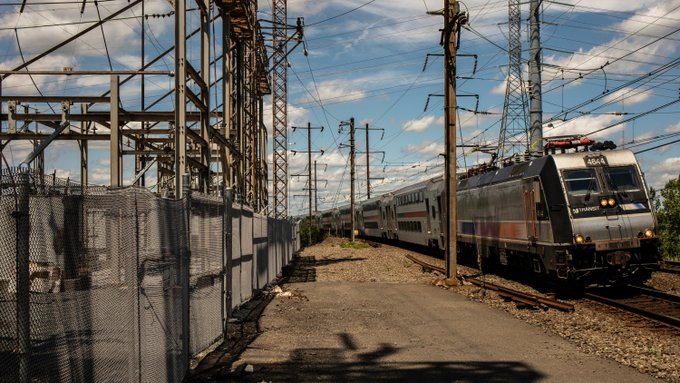
This summer, commuters along the Northeast Corridor faced a frustrating series of delays, with an explosion at a key substation being a particularly dramatic example. This incident highlighted deeper issues plaguing Amtrak’s network, exposing vulnerabilities rooted in outdated technology and aging infrastructure.
The explosion at the substation was not an isolated event but part of a broader pattern of disruptions that have plagued Amtrak this season. While the immediate impact was severe, causing significant delays and inconveniences for travelers, the incident also underscored a critical concern: Amtrak’s infrastructure is struggling to keep pace with modern demands.
Many of these problems can be traced back to the age of the system. Much of Amtrak’s network was built decades ago, and the technology supporting it has not kept up with advancements in rail infrastructure. This aging setup makes the system more prone to failures and less efficient overall.
The substation explosion is a stark reminder of the need for significant investment in upgrading Amtrak’s infrastructure. Without modernizing both the physical components and the technology used, the railroad will continue to face disruptions that affect millions of commuters and travelers.
Addressing these vulnerabilities will require substantial efforts and funding. As the rail network continues to be a crucial transportation link for many, ensuring its reliability and safety must be a priority. Only with modern upgrades and improvements can Amtrak hope to avoid similar issues in the future and provide a smoother, more reliable service for its passengers.