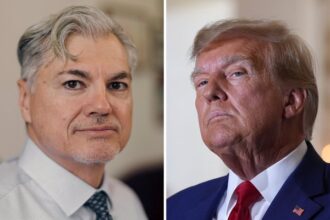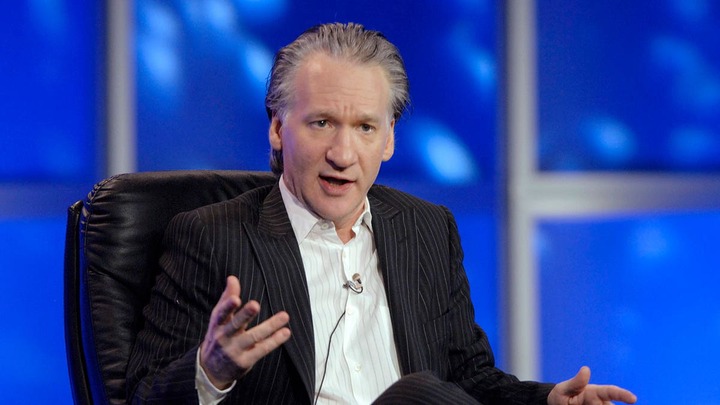
Recent episode of “Real Time with Bill Maher,” the provocative host Bill Maher sparked controversy by casting doubt on the validity of current polling data that places President Joe Biden ahead of former President Donald Trump.
Maher’s skepticism arises from significant declines in Biden’s support among key demographics since the 2020 election. He highlighted startling statistics: a 14-point drop among Hispanics, a 43-point decrease among Black voters under 50, and waning favorability among student debt holders and women, totaling an 8% decline.
“Explain that to me,” Maher challenged, questioning how Biden could simultaneously lose support among crucial groups yet surge ahead in recent polls.
These shifts present a troubling trend for the Biden camp, particularly as Hispanics and young Black voters traditionally constitute reliable Democratic bases. The dissatisfaction among student debt holders adds another layer of complexity amid ongoing criticism of Biden’s handling of student loans.
Maher’s critique taps into broader concerns regarding the reliability of polling data, which have faced intensified scrutiny since failing to predict Trump’s 2016 victory. Methodological issues, sampling biases, and evolving political dynamics within both parties contribute to uncertainties in gauging voter sentiment accurately.
Despite Maher’s skepticism, experts argue that contemporary polling methods remain robust, employing diverse techniques such as online surveys, phone interviews, and statistical adjustments. However, the unpredictable nature of voter behavior complicates the quest for foolproof polling accuracy.
Beyond statistical methodologies, factors like social media influence, rapid news cycles, and misinformation further challenge the precision of polling predictions. The fluidity of public opinion underscores the difficulty in capturing definitive snapshots of electoral dynamics.
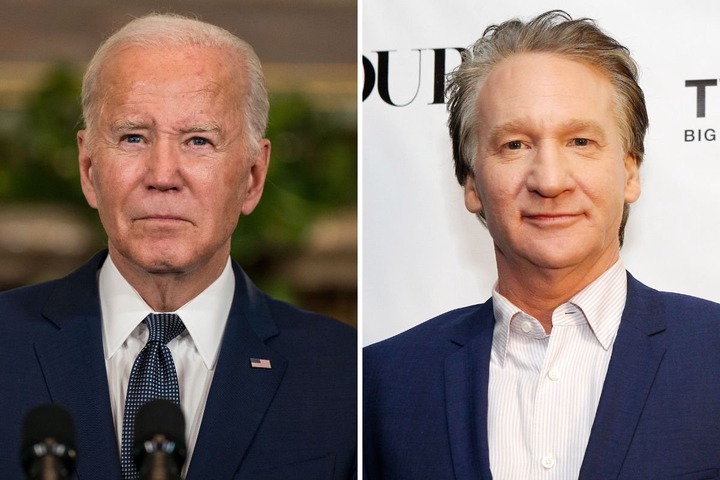
Looking ahead to the 2024 election, Biden and Trump must navigate these uncertainties to solidify their respective bases and appeal to undecided voters. For Biden, addressing concerns among the demographics Maher highlighted could prove pivotal in maintaining his lead. Conversely, Trump aims to exploit perceived vulnerabilities in Biden’s support base to bolster his own campaign.
In essence, Maher’s probing questions underscore broader frustrations with American democracy’s state, where polarization and skepticism shape public discourse on election integrity and media bias. The upcoming election promises to be fiercely contested, with polling accuracy likely remaining a contentious issue.
Ultimately, whether Biden’s lead in polls reflects genuine support or conceals underlying shifts in voter sentiment remains ambiguous. Maher’s scrutiny serves as a reminder of the complexities inherent in predicting electoral outcomes and the ongoing need for transparency and trust in the democratic process.