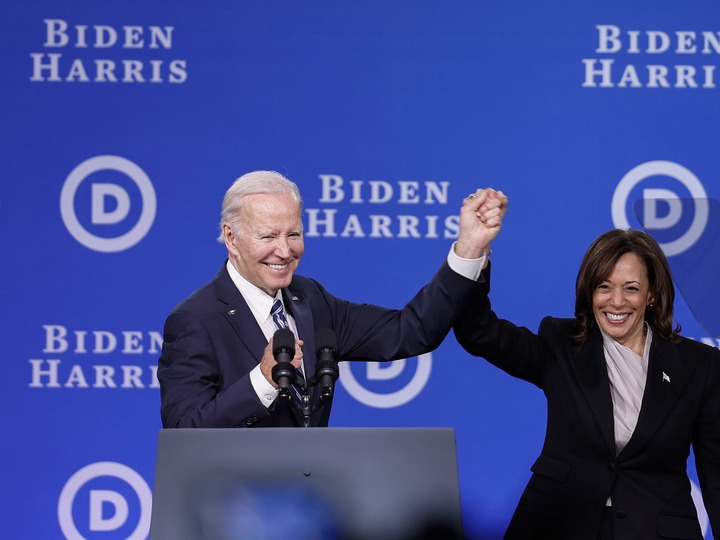
The Biden-Harris administration is continuing its ambitious push to build 500,000 electric vehicle (EV) charging stations across the U.S., despite facing significant criticism and slow progress. This initiative, supported by a substantial $7.5 billion investment, is a central component of the administration’s broader green energy strategy.
As reported by PJ Media on August 28, 2024, progress on this initiative has been markedly sluggish. To date, only eight charging stations have been completed, raising concerns about the program’s effectiveness and efficiency. The funding for this massive project is divided between two main sources: $5 billion from the National Electric Vehicle Infrastructure (NEVI) program, part of the Inflation Reduction Act, and an additional $2.5 billion from the Charging and Fueling Infrastructure (CFI) discretionary grant program under the Infrastructure Investment and Jobs Act.
Both laws were designed to accelerate the nation’s transition to cleaner energy, but critics argue that the initiative is falling short of its ambitious goals. Reports reveal that despite distributing a billion dollars in 2022 and 2023, only a modest number of charging stations have been built. In response to these challenges, the administration has announced a new round of funding—$521 million targeted at 29 states—with hopes that this new effort will address previous shortcomings.
Supporters of the initiative emphasize the importance of expanding EV infrastructure for the long-term adoption of electric vehicles. They point out that there are now over 192,000 publicly available charging ports in the U.S., with around 1,000 new public chargers added each week. However, these figures include individual charging ports rather than full stations, and much of the infrastructure has been developed independently by private companies like Tesla and ChargePoint, without federal subsidies.
Critics, including many Congressional Republicans, argue that the slow progress and substantial unspent funds highlight the inefficiency of federal involvement in EV infrastructure. They also criticize the stringent federal rules attached to NEVI funding, such as the requirement to place charging stations every 50 miles along interstate highways, which they believe may be deterring companies from participating.
As the debate over the effectiveness of the Biden-Harris EV initiative continues, it is clear that the administration remains committed to this project despite the numerous challenges and criticisms it faces. Whether this ambitious plan will ultimately achieve its goals remains to be seen.