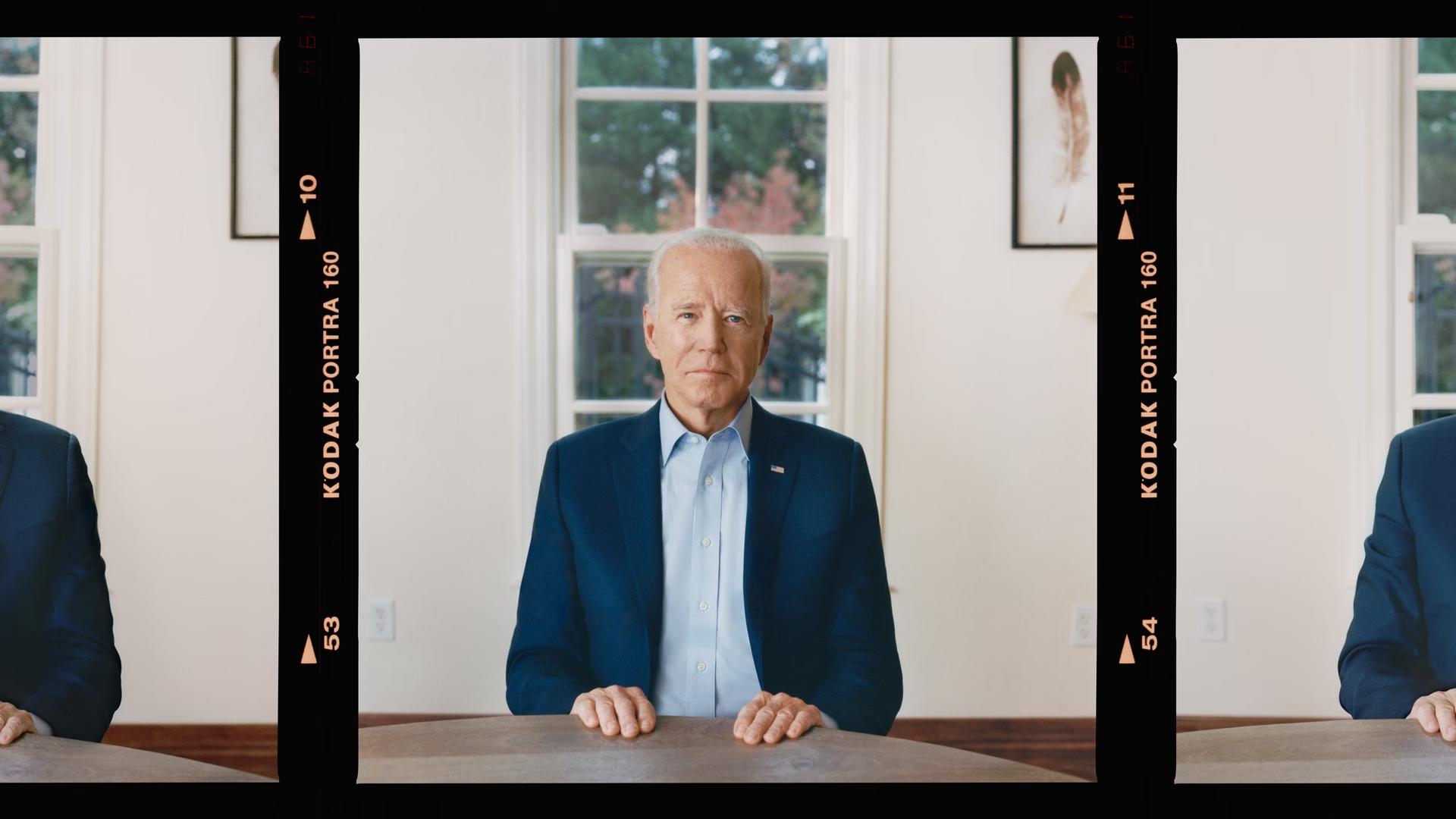
Provocative opinion piece published by Raw Story has thrust a radical proposal into the spotlight of the 2024 presidential race. Authored by political commentator Marve Waterstone, the article titled “Seize the Crown, King Biden! (then arrest Trump and stack the Court)” advocates for President Joe Biden to leverage recent Supreme Court rulings to assert unprecedented authority.
The focal point of Waterstone’s argument centers on a recent Supreme Court decision perceived as expanding presidential powers, particularly in defining the scope of presidential actions. This, Waterstone contends, presents Biden with a unique opportunity to demonstrate strength and rejuvenate his struggling campaign.
The most contentious suggestion put forth by Waterstone is for Biden to issue an arrest warrant for former President Donald Trump, bypassing traditional judicial processes. Citing alleged attempts to undermine the government, Waterstone argues that utilizing newly granted powers could swiftly bring Trump to justice and send a resounding message to his supporters and potential insurrectionists alike.
While acknowledging Biden’s cautious adherence to legal norms, Waterstone critiques the President’s reluctance to exploit this ruling, suggesting it could be perceived as a political liability. The article starkly contrasts Biden’s approach with Trump’s more audacious tactics, implying that bold action is essential to secure Biden’s political future.
In addition to the proposal for Trump’s arrest, the article outlines a series of sweeping reforms aimed at recalibrating American democracy. This includes restructuring the Supreme Court by adding justices committed to impartiality, a strategy commonly referred to as court-packing. Waterstone also advocates for electoral reforms such as abolishing the Electoral College, ending partisan gerrymandering, and expanding voting rights to foster a fairer democratic process.

Congressional reforms are equally ambitious, with proposals to eliminate the filibuster, strengthen presidential signing statements, and empower presidential vetoes as final decisions on legislation.
Moreover, Waterstone proposes a slate of executive orders addressing longstanding national issues stalled by political gridlock. These encompass women’s reproductive rights, universal healthcare, climate change initiatives, labor and environmental protections, immigration reforms, and measures to tackle economic inequality.
Despite the bold nature of these recommendations, the article concludes with skepticism about whether Biden will embrace such an aggressive agenda. It urges Biden’s advisors to either persuade him to adopt these strategies or consider stepping aside for more dynamic leadership.
The publication of this article has ignited intense debate, with proponents lauding its visionary approach while critics caution against the perils of authoritarian overreach. As the 2024 election looms, the central question remains: will Biden heed this radical call to action, potentially reshaping the nation’s political landscape?