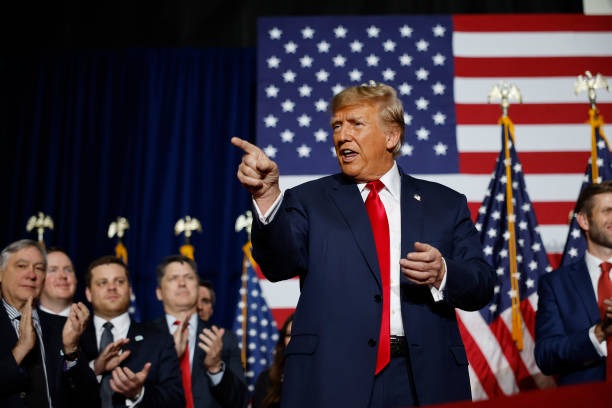
As President Biden faces the specter of a resurgent Donald Trump in the upcoming November election, his advisers are orchestrating a strategic plan behind closed doors. The focal point of their discussions revolves around fortifying Social Security through the imposition of new taxes on the wealthy, aiming to starkly differentiate themselves from the economic promises of former President Trump.
In a series of intricate political maneuvers, the Biden administration is unveiling a broader effort within the Democratic Party to construct a populist message countering Trump’s potential dominance. The move comes as Trump pledges to safeguard Social Security, providing Biden’s team with a unique opportunity to underscore economic policy disparities between the two parties, as reported by The Washington Post on Saturday, January 20.
President Joe Biden, addressing the issue in a recent speech in Blue Bell, Pa., emphasized the need for economic policies that prioritize the working class. However, the proposed tax hikes, targeting only those earning over $400,000 annually, necessitate an expansion of Biden’s tax agenda.
Despite acknowledging the slim chance of Congress approving such measures, some advisers believe the gambit could resonate with voters, particularly on pocketbook issues, potentially securing crucial votes. The evolving economic narrative extends beyond Social Security, with a focus on key campaign issues such as prescription drug costs, taxes, and corporate practices.
To craft a clear message, informal talks are underway involving prominent figures like Brian Deese, former director of the White House National Economic Council, Bharat Ramamurti, Deese’s ex-deputy in the White House, Martha Gimbel, a top Biden economist, Michael Linden, a former top Biden budget official, and Arindrajit Dube, an economist at the University of Massachusetts.
The ongoing discussions aim to solidify the campaign’s direction after the State of the Union address and the White House budget proposal. One outside adviser, briefed on the internal talks, commented, “They’re trying to figure out the second-term agenda conversation — one of the big questions here is how much are you looking forward, and how much are you looking backward.”
Amid the delicate balance of showcasing first-term accomplishments and charting new goals, Biden’s team grapples with discontent among voters despite the economy’s surprising resilience. Polling data reveals skepticism about Biden’s policies improving financial well-being, presenting a significant challenge for the campaign.
Prescription drug pricing, corporate taxation, and combatting corporate price-gouging have emerged as focal points for Biden’s team. Leveraging partial successes in these areas, the strategy seeks to address the concerns of a skeptical public.
The debate on tax policy, including a proposed tax on billionaires, offers an opportunity to continue the narrative from the Inflation Reduction Act. Despite obstacles, the expiration of trillions of dollars from Trump’s 2017 tax cuts and public perception of a skewed tax system provide a platform for engagement with Republicans.
Biden’s third pillar involves addressing corporate price-gouging and hidden fees, with initiatives like capping overdraft fees gaining attention. However, challenges from courts and persistent corporate profit margins underscore the uphill battle.
Despite the populist potential of these economic initiatives, Biden faces significant hurdles, including disapproval of his handling of the economy and the lingering impact of past dismissals of inflation concerns. Democrats, however, remain hopeful for a turnaround in economic sentiment, envisioning an opportunity to couple positive trends with a forward-looking economic security vision for a potential second term.