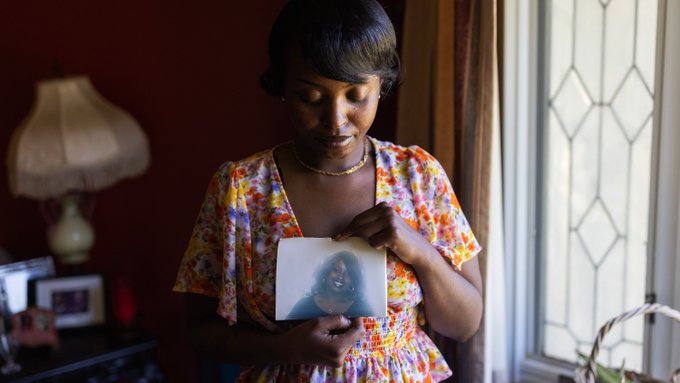
Brittany Robertson was just 12 years old when her world was shattered. Her mother, a vibrant and caring woman, was brutally stabbed to death in the Bronx. The year was 2004, and despite extensive investigations, the case went cold, leaving Brittany and her family in a state of endless grief and unanswered questions.
For two decades, Brittany lived with the haunting memory of that tragic night. The lack of closure weighed heavily on her, impacting every aspect of her life. She grew up with a deep-seated fear and sadness, coupled with an unrelenting desire for justice. Her mother’s killer remained at large, and the sense of insecurity and unresolved pain never truly faded.
In 2024, a breakthrough finally came. Advances in DNA technology and persistent efforts by dedicated detectives led to an arrest. A suspect was identified and apprehended, providing a sense of bittersweet relief for Brittany and her family. The news brought a mix of emotions: the sorrow of reliving the trauma, the anger at the time lost, and the tentative hope that justice might finally be served.
The arrest was based on DNA evidence collected at the crime scene. With modern forensic techniques, the investigators were able to match the DNA to a known offender, leading to a swift and decisive arrest. This development not only reopened the case but also highlighted the importance of advancements in forensic science in solving cold cases.
For Brittany, the arrest was a significant step towards healing. It meant that her mother’s killer would finally face the consequences of their actions. However, it also brought back the painful memories she had tried so hard to suppress. The road to emotional recovery is long and complex, but the prospect of justice offers a glimmer of hope.
This case underscores the critical role of DNA evidence in solving crimes and delivering justice, even after many years. It also serves as a reminder of the enduring impact of violence on families and communities. Brittany’s story is one of resilience and the relentless pursuit of justice. Her journey from a traumatized child to a hopeful adult is a testament to her strength and determination.
As the legal proceedings unfold, Brittany remains cautiously optimistic. She hopes that the trial will bring not only justice but also some measure of peace to her mother’s memory. The arrest has reignited public interest in the case, shedding light on the efforts of law enforcement to bring closure to long-standing cases.
Brittany Robertson’s story is a poignant example of how advances in forensic science can change lives and bring long-awaited justice. Her mother’s tragic death and the subsequent arrest serve as a powerful reminder of the importance of never giving up on finding the truth.
In a world where many crimes go unsolved, Brittany’s journey offers hope to other families waiting for justice. It emphasizes that no matter how much time passes, the pursuit of justice never truly ends.