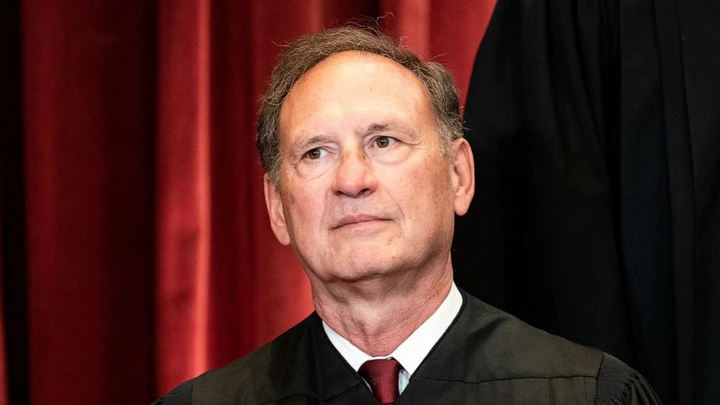
Supreme Court Justice Samuel Alito has found himself in the eye of a storm, facing calls for impeachment stemming from a photograph depicting an upside-down American flag outside his home. The image, captured on January 17, 2021, symbolizing distress or protest, has ignited a fierce debate about the motivations behind the gesture.
The timing, just days before President Joe Biden’s inauguration, has added layers of intrigue, prompting speculation about its political significance. Alito, a conservative stalwart on the bench since his appointment by President George W. Bush in 2006, has long been a polarizing figure due to his conservative views on various issues.
The display of the inverted flag has reignited tensions between liberals and conservatives, with liberals accusing Alito of breaching judicial ethics and conservatives defending it as an exercise of free speech. Social media has amplified the controversy, with hashtags like #ImpeachAlito gaining traction.
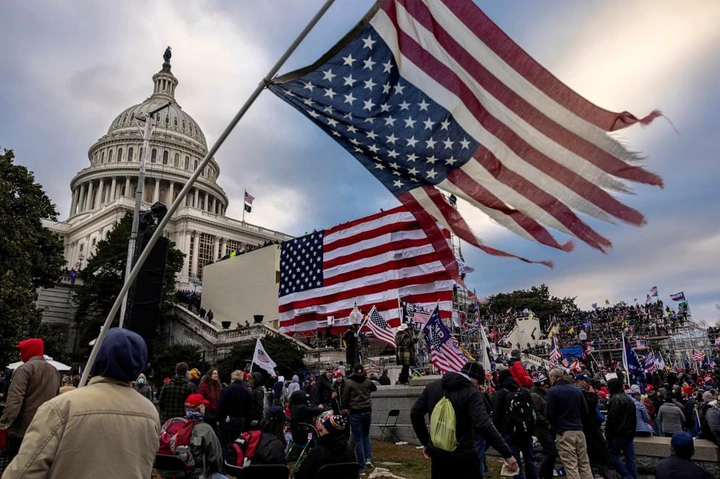
However, legal experts caution against hasty judgments, emphasizing due process and the protection of free speech rights. While the incident has sparked passionate reactions, any attempt to punish Alito solely for expressing political beliefs would face legal challenges.
The incident underscores broader challenges facing the judiciary in a politically charged climate, emphasizing the importance of upholding fairness, due process, and the rule of law. In a democratic society, disagreements over judicial decisions are expected, but maintaining the integrity of the judiciary and public trust is paramount.