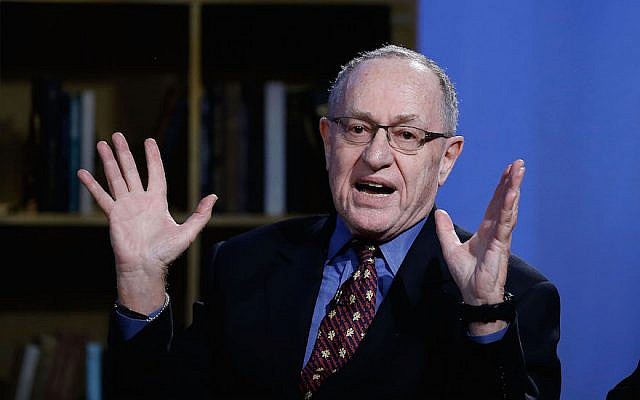
Famed attorney Alan Dershowitz has stirred controversy with his recent claim, generating significant debate within legal and political communities.
Provocative Assertion by Dershowitz
On Friday, May 31, 2024, Mediaite reported that Dershowitz asserted judges are unlikely to overturn the conviction of former President Donald Trump. According to Dershowitz, the hesitation stems not from legal reasons but from a fear of social ostracism, especially the risk of being shunned on Martha’s Vineyard.
Influence Beyond the Law
Dershowitz, a polarizing figure in American legal circles, suggested that judges are swayed by more than just the law. He posited that the social fallout from overturning Trump’s conviction would be too great a risk for any judge to take.
“Judges are human beings,” Dershowitz stated. “They don’t want to be shunned by their friends and community, especially in tight-knit, influential places like Martha’s Vineyard.”
Personal Experience of Isolation
Martha’s Vineyard, known as a summer haven for the wealthy and politically connected, plays a significant role in Dershowitz’s life. His defense of Trump during the first impeachment trial led to his own social isolation on the island, adding a personal dimension to his claims.
Criticism and Debate
Critics argue that Dershowitz’s statements present a cynical view of the judiciary and undermine public trust in the legal system. Legal experts and commentators quickly responded, emphasizing the judiciary’s commitment to impartiality despite social pressures.
Professor Rebecca Green, a constitutional law scholar, remarked, “While judges, like all individuals, are not immune to social pressures, the judicial system has numerous checks and balances to ensure decisions are based on legal merits and not on fears of social ostracism. Dershowitz’s claims, while provocative, do not reflect the rigorous standards to which judges are held.”
Dershowitz Defends His Position
Despite the backlash, Dershowitz defended his remarks, arguing that acknowledging the influence of social factors does not undermine judicial integrity. “I’m not saying that every judge would be influenced this way, but it’s naive to think that social considerations don’t play a role in high-stakes cases,” he contended.
Broader Implications and National Debate
The conviction of Trump, a landmark event, has already ignited intense debates about its legal and political ramifications. Dershowitz’s comments add another layer, touching on the intersection of social dynamics and legal processes. They raise questions about the pressures judges face and the potential influence of external factors on their rulings.
Exploration of Social Hierarchies
Following Dershowitz’s remarks, media outlets have examined the social hierarchies of places like Martha’s Vineyard, highlighting the influence they wield. Interviews with local residents and social commentators reveal an elite enclave where social standing is paramount, and the repercussions of high-profile decisions can extend well beyond the courtroom.
Judicial Independence and Social Influence
Dershowitz’s claims serve as a reminder of the importance of maintaining judicial independence and guarding against undue influences, whether political, social, or otherwise. As the nation continues to navigate the implications of Trump’s conviction and potential appeals, his comments remain a point of contention, underscoring the complex nature of justice in a divided society.