The celebrated Watchmen creator Alan Moore has long voiced concerns over fandom’s influence on modern culture. Once a vibrant force celebrating creativity, Moore argues that fandom has transformed into a potent and sometimes harmful presence. In an essay published on October 26, 2024, Moore reflects on how today’s fan-driven culture shapes not only entertainment but even political landscapes, raising urgent questions about society’s values and the consequences of a “fan-based” worldview.
The Evolution of Fandom: From Passion to Possession
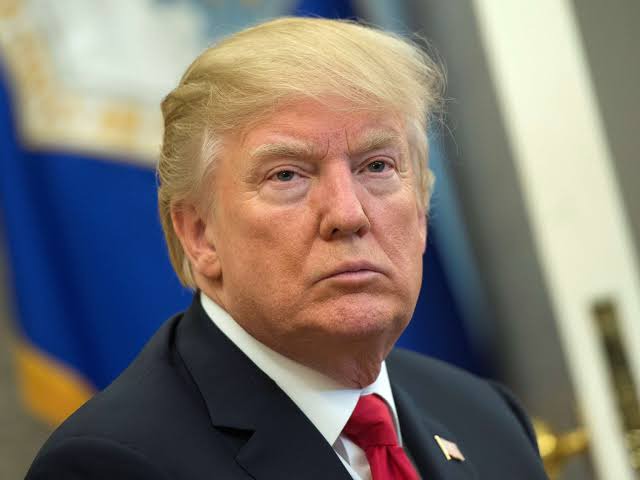
Decades ago, Moore cautioned that society’s obsession with superheroes signaled a potential for “emotional arrest,” predicting political shifts that were yet to happen. Since then, the rise of Brexit, Donald Trump, and “populist” movements have, in Moore’s view, reinforced his belief. He observes that fan culture has become a space where support has given way to possessiveness, with fans acting as “arbiters” rather than admirers. This shift, Moore warns, poisons the broader culture, turning enthusiasm into what he describes as “mean-spirited obsessions” that can inhibit the growth and creativity once core to fandom.
The Roots of Fandom: Enthusiasm or Entitlement?
Moore recounts how the term “fan” originated from “fanatic,” reflecting an intense emotional connection to a particular figure or genre. From his own experience, Moore recalls the innocence of early comic book conventions in the 1960s, where fans gathered not to idolize creators but to support the medium itself. However, as fandom aged and grew in commercial power, the fervor became tainted with entitlement. Moore describes this new breed of fans, often middle-aged and conservative, as demanding and quick to critique rather than contribute.
According to Moore, fans once celebrated comics as a storytelling medium accessible to all. Over time, however, fandom has aged alongside rising costs, making the industry less accessible to young and diverse audiences. This change, Moore asserts, contributes to a sense of privilege within fan communities, especially among those who feel entitled to dictate the future of their favorite content.
From Comics to Culture Wars: The Rise of “Gate” Movements
One of the most disconcerting shifts Moore discusses is how fandom, particularly within comics, has taken a divisive and sometimes toxic turn, as seen in controversies like “Gamergate” and “Comicsgate.” These movements, often fueled by conservative fan bases, aim to challenge what they perceive as unwelcome changes in their beloved genres. For Moore, this represents a broader societal trend where fandom bleeds into social and political realms, echoing through protests and social media outcry. Moore criticizes these “gate” movements as steeped in conspiracy theories, observing that fandoms have adopted a combative approach where even modest changes meet with fierce resistance.
A “Fan-Based Landscape”: How Politics Mirrors Fan Culture
The influence of fandom now extends well beyond entertainment, affecting elections and shaping public opinion. Moore draws unsettling parallels between fan culture and political environments, likening elections to reality TV events where popularity and drama outweigh policy and accomplishments. The public, he suggests, now votes based on personality appeal rather than substantive achievements, a pattern Moore sees as dangerously shallow. Figures like Donald Trump and Boris Johnson, Moore argues, gained traction not solely through policy but through their “performances,” resonating with fan-like audiences more concerned with entertainment than governance.
Redefining Enthusiasm: The Call for a Balanced Fandom
Moore believes that, at its best, fandom can be a supportive community, connecting people with shared passions. Healthy fan communities provide camaraderie and joy, enriching society. Yet, he warns that fanaticism can easily turn toxic, especially when coupled with entitlement and anger. Moore urges fans to balance their enthusiasm, reminding readers that appreciation need not devolve into possession or aggression.
A Cultural Call to Action
In closing, Moore’s reflections invite readers to reconsider fandom’s role in both personal and public life. He advocates for a return to appreciation over entitlement, a shift from ownership back to enthusiasm. With today’s culture shaped by fan-driven agendas, Moore’s message resonates as a call for balance in a world where passion, unchecked, may indeed toxify the world around us.