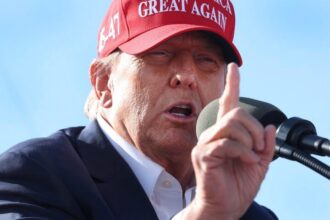
The U.S. Supreme Court has decided to hear an appeal against Capitol riot obstruction charges, potentially causing a delay in the federal trial of over 300 individuals, including former President Donald Trump. The appeal is in response to a four-count federal indictment accusing Trump of actively working to overturn the results of the 2020 election and engaging in obstruction of an official proceeding related to the events of January 6, 2021.

The charges allege that Trump, along with others, sought to disrupt Congress’ constitutional duty during the certification of Joe Biden’s victory. Additional charges of conspiracy to obstruct an official proceeding intensify the legal scrutiny surrounding Trump’s actions on that day. The former president has pleaded not guilty to all charges.
The Supreme Court’s decision introduces uncertainty into the trajectory of Trump’s federal trial, with potential consequences for his political future. If the trials are delayed until after the November 2024 election and Trump wins, he could have the authority to dismiss the charges. The intersection of legal proceedings and political power raises questions about accountability for those involved in the Capitol riot.
The Supreme Court’s involvement adds a new chapter to the ongoing saga of the Capitol riot, shaping the contours of justice and the legacy of one of the most tumultuous periods in recent American history. The outcome of this appeal will be closely watched, as it holds far-reaching implications for the rule of law and the accountability of individuals who held the highest offices in the land.