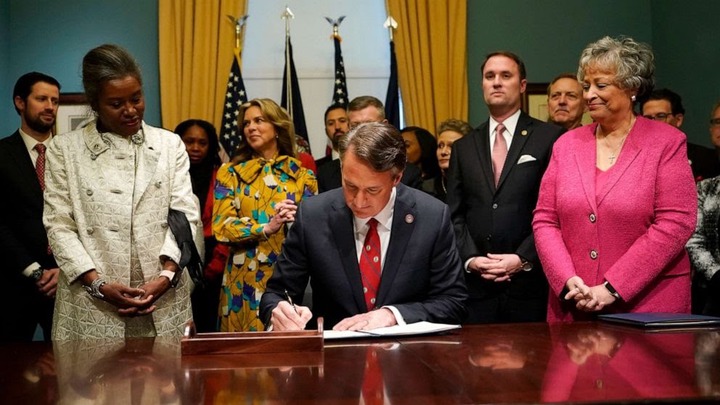
Virginia’s newly-elected Republican Governor, Glenn Youngkin, has unveiled a proposal to implement personal income tax cuts, sparking debates over potential disparities in benefits and concerns about the impact on education funding. The Progress Index reported on Thursday that Youngkin’s plan, which includes a 12% reduction in income tax rates across the board, may disproportionately favor the affluent.
An analysis conducted by The Commonwealth Institute, a left-of-center non-profit organization specializing in fiscal and policy research, reveals that Youngkin’s proposed tax cuts could result in a staggering revenue loss of $3.46 billion over the next two years. The reduction in income tax rates would notably benefit households earning over $2 million annually, receiving nearly $13,000 in relief, while those with a $50,000 annual income would see just over $100 in relief.
To offset the potential revenue shortfall, Governor Youngkin suggests expanding the sales tax to cover new economy products, including digital streaming services and downloads. Additionally, he aims to raise the state’s sales tax by 0.9%, from 4.3% to 5.2%. However, concerns persist about the effectiveness of these measures in compensating for the substantial income tax cuts.
One contentious aspect of Youngkin’s budget proposal is a $300 million cut to K-12 education over the next two years. The reduction in education spending has raised alarms, particularly given the existing challenges faced by Virginia’s K-12 schools. A report by the Joint Legislative Audit and Review Commission revealed that Virginia schools already receive less funding per student compared to national and regional averages.
James J. Fedderman, president of the Virginia Education Association, expressed disappointment with the proposed cuts, stating they contradict the governor’s purported prioritization of education. He remarked, “For all the governor’s bluster about ‘restoring excellence’ and ‘historic investments in education,’ his proposed cuts to K-12 education speak volumes about how much he truly cares about our students’ success.”
Democratic Senator Louise Lucas, incoming chair of the Commonwealth’s Senate Finance and Appropriations Committee, criticized the budget proposal, declaring it “dead on arrival.” She accused the governor of prioritizing the interests of billionaires over the future of the Commonwealth, highlighting the deep divide between the Republican governor and the Democratic-controlled legislature.
As the General Assembly convenes for the 2024 session, lawmakers are expected to propose alternative budget plans that differ significantly from Governor Youngkin’s proposal. However, Youngkin’s veto power over the final budget may lead to further negotiations between the governor and the legislature. The outcome remains uncertain as stakeholders grapple with the potential implications of the proposed tax cuts on Virginia’s fiscal landscape and educational system.