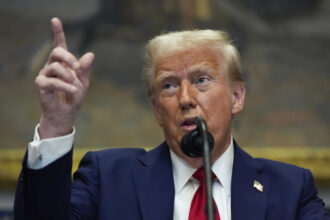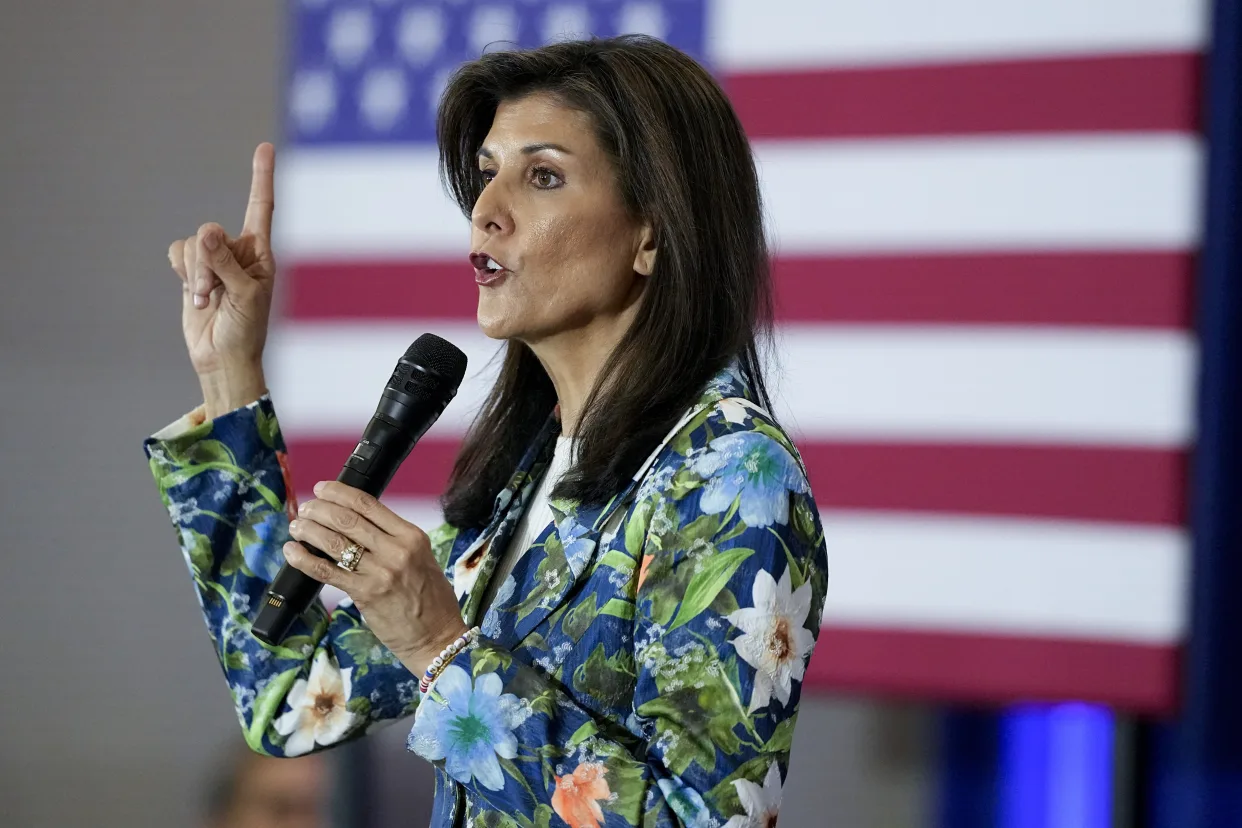
In a last-ditch effort to gain ground in the South Carolina GOP primary, Nikki Haley has honed in on Russia, using the death of Russian opposition leader Alexei Navalny as a platform to attack former President Donald Trump. The former U.N. ambassador has been vocal in interviews, on social media, and during campaign rallies, criticizing Trump’s response to Navalny’s death and portraying him as weak on Russia.
Haley accused Trump of taking too long to acknowledge Navalny’s death and failing to condemn Russian President Vladimir Putin for it. She labeled Trump as “weak in the knees” concerning Russia, criticized him for NATO criticisms during Russia’s invasion of Ukraine, and accused him of siding with a dictator over U.S. allies. At a recent rally, Haley went further, claiming Trump is “siding with a dictator who kills his political opponents” and slammed him for favoring Putin over 9/11 allies.
This strategic shift allows Haley to leverage her foreign policy experience and create a distinction between her stance on Russia and Trump’s. While she trails significantly behind Trump in the polls, Haley aims to use the Russia issue to boost her campaign’s credibility and provide a rationale for staying in the race.
Rob Godfrey, a former communications director for Haley, noted that she is playing to her strengths and drawing a contrast with Trump. The effectiveness of this strategy in resonating with Republican primary voters remains uncertain, but it aligns with a key criticism Trump faces from opponents, both within and outside the Republican Party.
Haley’s focus on Russia could extend beyond the primary, potentially becoming a sustained critique that impacts Trump in the general election. The recent broadsides against Trump echo criticisms from various quarters, including Hillary Clinton, Rep. Adam Schiff, former Rep. Liz Cheney, and President Joe Biden.
While foreign policy may not be a top concern for most voters, Haley’s emphasis on Trump’s stance on Russia aims to highlight potential vulnerabilities and sway some Republican voters who feel the GOP has become too isolationist. However, polling suggests that less than 5 percent of likely South Carolina voters consider foreign policy the most important issue, with immigration and the economy taking precedence.
In a volatile geopolitical moment, Haley’s foreign affairs stance appears to resonate with at least some Republicans who view her as someone who will resist isolationism. The extent to which this issue will impact the primary outcome remains to be seen as early voting is underway, and the South Carolina primary looms on Saturday.